Repsher Physical Therapy Spring 2026 Newsletter
Your Movement. Your Health. Our Mission.

🌺 🌱 In This Issue 🐝 🦋
--
🌺 🌱 In This Issue 🐝 🦋 --
Volume 1, Issue 3
Spring Reset 🌱
– Shake off winter stiffness and get your body moving again.Running Season Is Back 🏃
– Tips to prevent early-season aches and injuries.Pickleball 🏓 & Golf Prep ⛳
– Protect your shoulders and elbows as spring sports ramp up.Youth Sports Ramp-Up ⚽
– How to help young athletes avoid common spring injuries.
Yard Work Without the Back Pain 🌿
– Smart lifting and movement strategies for outdoor projects.Staff Spotlight 👋
– Meet the team: Steve Cornell, PTExercise of the Month 💪
– A simple movement to keep you strong, mobile, and injury-resistant.Taking Ownership of Your Recovery 🧠
– Why doing your home exercises, understanding your injury, and having realistic expectations are key to long-term success.
🌷 SPRING RESET 🌷

Shake off winter stiffness and safely return to activity.
After a long winter, many people notice they feel tighter, weaker, and less mobile than they did in the fall. Shorter days, colder weather, and more time spent sitting indoors naturally reduce our daily movement. As spring arrives and activity increases—whether it’s walking, running, yard work, or sports—our bodies sometimes aren’t quite ready for the sudden change.
At Repsher PT, we often see a spike in springtime injuries when people go from relatively low activity levels straight into high demand activities.
The key is to gradually rebuild strength, mobility, and workload tolerance.

Why Winter Can Set Us Back
Even if you stayed somewhat active during the winter, several factors can lead to deconditioning:
• Less outdoor activity and fewer steps per day
• Reduced mobility from prolonged sitting
• Loss of strength from inconsistent training
• Tightness in hips, hamstrings, calves, and shoulders
• Reduced cardiovascular conditioning
These changes are normal. The important thing is how you restart activity in the spring.
Common Spring Injuries We See
When activity ramps up too quickly, we frequently treat:
• Achilles tendon irritation
• Plantar fasciitis
• Knee pain from running or hiking
• Low back pain from yard work
• Shoulder and elbow pain from golf or pickleball
Most of these issues develop not because the activity is harmful, but because the body wasn’t progressively prepared for the workload.
The Goal: Build Momentum, Not Injury
Spring is a great time to re-establish healthy habits and increase activity levels. The goal is not to jump immediately back to peak performance, but rather to build consistency and momentum over several weeks.
With the right progression, most people can return to the activities they enjoy while staying healthy and injury-free.
If something doesn’t feel right as you increase activity this spring, physical therapy can help identify the issue early and guide a safe return to movement. 💪

5 Keys to a Successful Spring Reset
1️⃣ Start with daily movement
Before jumping into intense workouts, re-establish consistent movement.
Good options include:
• Walking
• Easy cycling
• Light strength training
• Mobility work
Aim for 20–30 minutes of activity most days of the week.
2️⃣ Prioritize mobility first
After a winter of sitting and reduced activity, joints often feel stiff.
Areas that benefit most from mobility work include:
• Hips
• Thoracic spine (upper back)
• Ankles
• Shoulders
Improving mobility in these areas often reduces stress on other joints.
3️⃣ Gradually rebuild strength
Strength is one of the most powerful tools for injury prevention.
Focus on exercises that strengthen:
• Glutes and hips
• Core stability
• Legs and calves
• Upper back and shoulders
Even 2 strength sessions per week can make a big difference.
4️⃣ Increase activity slowly
The most common mistake people make is doing too much too soon.
Examples of safer progression:
• Increase running mileage no more than ~10% per week
• Start golf or pickleball with shorter sessions
• Break yard work into multiple smaller sessions
Your cardiovascular system may feel ready, but tendons and joints take longer to adapt.
5️⃣ Pay attention to early warning signs
Some soreness is normal when returning to activity. However, certain symptoms should not be ignored:
• Pain that worsens with activity
• Persistent soreness lasting several days
• Swelling around a joint or tendon
• Pain that alters your movement
Addressing small issues early can prevent them from becoming larger problems.


RUNNING SEASON IS BACK!
How to safely ramp up mileage and avoid common early-season injuries
As the weather improves, many runners head back outside after a winter of reduced mileage, treadmill training, or inconsistent workouts. Early in the season is when we often see an increase in running-related injuries. The most common reason is that activity levels increase faster than the body can safely adapt. Your cardiovascular fitness may feel ready, but tendons, muscles, and joints take longer to rebuild tolerance to impact and repetitive loading.
When runners increase mileage, intensity, or frequency too quickly, the body may respond with irritation or overuse symptoms.
Common early-season running issues include:
• Achilles tendon irritation
• Shin splints (medial tibial stress syndrome)
• Runner’s knee (patellofemoral pain)
• Plantar fasciitis
• IT band irritation
• Hip or glute tightness
These injuries typically develop gradually and are often related to training errors rather than a single incident.
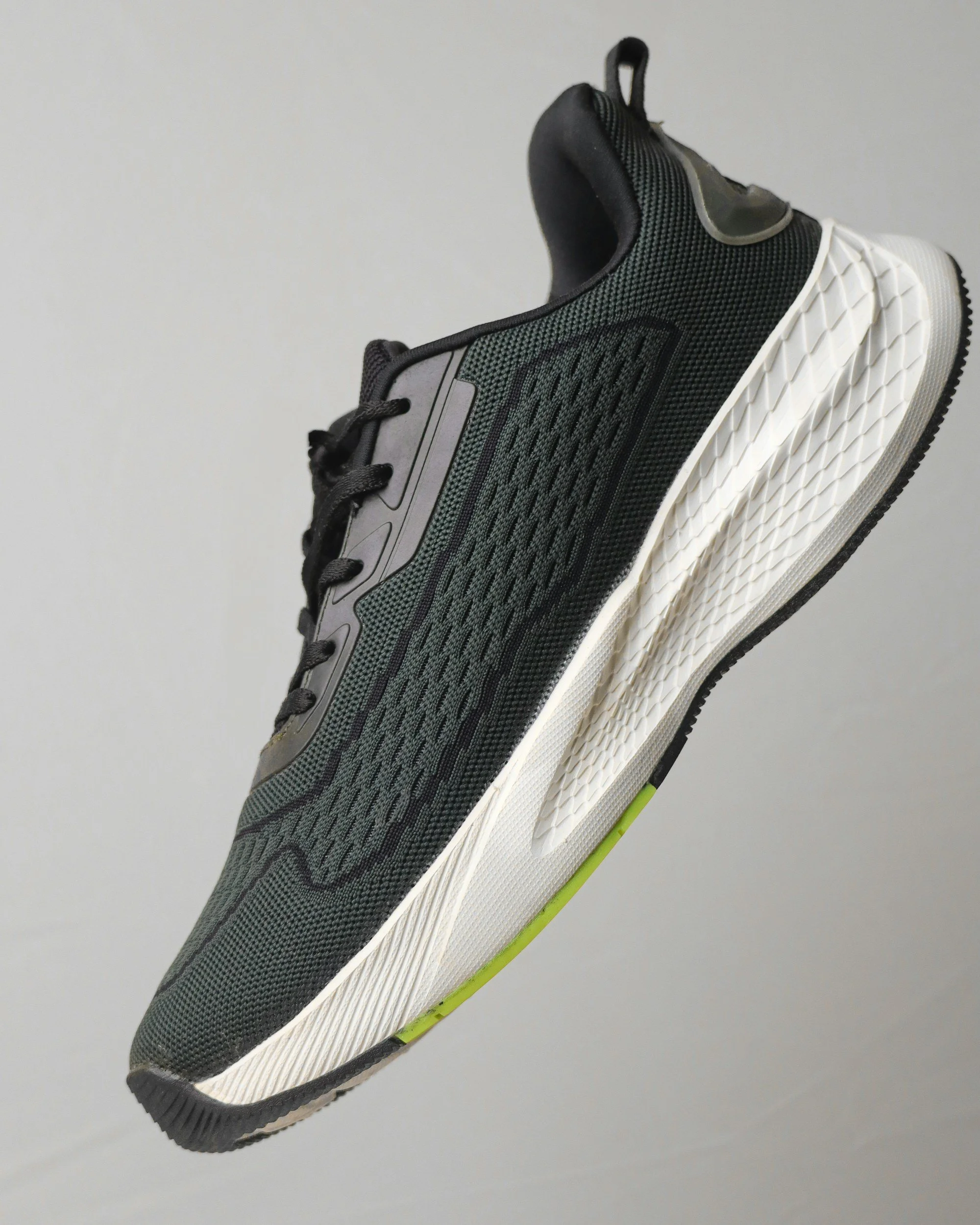
👟 Don’t Forget Your Footwear
Shoes can play an important role in comfort and injury prevention during the running season. Over time, running shoes lose cushioning and support, which can increase stress on the feet, ankles, and knees.
A few things to keep in mind:
• Most running shoes last 300–500 miles depending on use
• If shoes feel flat, uneven, or worn down, it may be time to replace them
• Choose shoes that feel comfortable and natural, rather than focusing only on brand or trends
• Rotating between two pairs of running shoes can sometimes help reduce repetitive stress
Making sure your footwear is appropriate and not overly worn can help keep your runs comfortable as mileage begins to increase.
Tips for a healthy start to the season:
• Increase mileage gradually (a common guideline is no more than ~10% per week)
• Incorporate strength training for hips, glutes, and calves
• Perform a short dynamic warm-up before running
• Avoid increasing both distance and pace at the same time
• Rotate running routes or surfaces when possible
• Pay attention to soreness that persists for several days
Building mileage gradually allows the body to adapt and helps prevent the overuse injuries that commonly interrupt training. Starting the season patiently often leads to greater consistency and a healthier, more enjoyable running season overall.
Pickleball & Golf Prep
Getting your body ready for spring sports

As the weather warms up, many people are eager to get back on the pickleball court or the golf course. Both sports involve repetitive swinging and rotational movements that place stress on the shoulders, elbows, and lower back—especially early in the season when those areas haven’t been used as frequently.
One of the biggest mistakes players make is going from little activity straight into long matches or full rounds of golf. The body often needs a few weeks to adjust to these repetitive movements.
Areas that take the most stress
• Shoulders during overhead or powerful swings
• Elbows from gripping and repeated impact
• Lower back from rotational movement
• Hips, which generate power for the swing
A few simple ways to prepare
Before playing, spend a few minutes getting the body moving:
• Light torso rotations
• Arm circles or shoulder mobility drills
• Gentle hip mobility exercises
• A few practice swings before full effort
Early in the season it can also help to limit playing time, build up gradually, and avoid playing multiple long sessions back-to-back.
Taking a few minutes to warm up and gradually increase activity can help keep you on the court or course all season long.

Golf Warm Up Example (CLICK VIDEO)
Pickleball Warm Up Example (CLICK VIDEO)
⚽ Youth Sports Ramp-Up 🥎
Helping young athletes stay healthy this spring
Spring sports season brings a surge of activity for young athletes. Between practices, games, and tournaments, many kids go from relatively low activity levels during the winter to a much more demanding schedule. When this increase in activity happens too quickly, it can place stress on growing bones, muscles, and tendons.
Unlike adults, young athletes are still developing physically. Growth spurts, combined with repetitive movements and busy schedules, can sometimes lead to overuse injuries.
Common youth sports issues we see
• Knee pain related to growth and overuse
• Heel pain (often seen in running and field sports)
• Shoulder or elbow pain in throwing sports
• Muscle strains from rapid increases in activity
Ways parents and athletes can help reduce injury risk
• Encourage proper warm-ups before practices and games
• Make sure athletes get adequate rest between activities
• Promote strength and movement training in addition to sport-specific practice
• Address small aches and pains before they become bigger problems
The goal of youth sports should always be long-term health, development, and enjoyment of the game. Paying attention to early warning signs and maintaining balanced training can help young athletes stay active and perform their best throughout the season.
⚠️ Watch for Early Warning Signs ⚠️
Young athletes don’t always speak up when something hurts. Parents and coaches should pay attention to signs that may indicate an injury developing.
Some warning signs include:
• Pain that continues after practice or games
• Limping or changes in running mechanics
• Complaints of pain in the same area repeatedly
• Decreased performance or reluctance to participate
If pain persists for several days or continues to worsen, it may be a good idea to have the athlete evaluated. Addressing small issues early can often prevent longer interruptions to the season and help young athletes stay active and healthy.

🌿 Yard Work Without the Back Pain
Smart movement strategies for spring yard projects
Spring yard work can be surprisingly demanding on the body. Tasks like raking, lifting mulch, pulling weeds, and planting often involve repetitive bending, twisting, and lifting, which can place significant stress on the lower back and hips. Many people also try to complete several hours of yard work in a single day after doing very little of these activities over the winter.
This sudden increase in physical workload is a common reason we see back pain flare-ups during the spring months.
Yard work tasks that commonly irritate the back
• Lifting heavy bags of mulch, soil, or fertilizer
• Repetitive bending while planting or weeding
• Raking leaves or debris for long periods
• Twisting while carrying buckets or yard waste
• Digging or shoveling with poor body mechanics
Tips for safer lifting and movement
When lifting bags or heavy objects:
• Keep the load close to your body
• Bend at the hips and knees rather than the back
• Avoid twisting while holding weight
• Use smaller loads if possible rather than one heavy lift
When raking or digging:
• Switch sides periodically to avoid repetitive strain
• Use your legs and body weight, not just your arms
• Keep your back relatively upright rather than rounded
When working close to the ground:
• Try kneeling on a garden pad or small stool
• Alternate between kneeling and standing
• Take short breaks every 20–30 minutes
Pace yourself
One of the most important things you can do is spread yard work over several days rather than trying to complete everything at once. Gradually increasing the amount of time you spend doing these activities helps your body adapt and reduces the risk of soreness or injury.
A few simple adjustments in posture, lifting technique, and pacing can help keep your back feeling better while still getting your yard ready for the season.
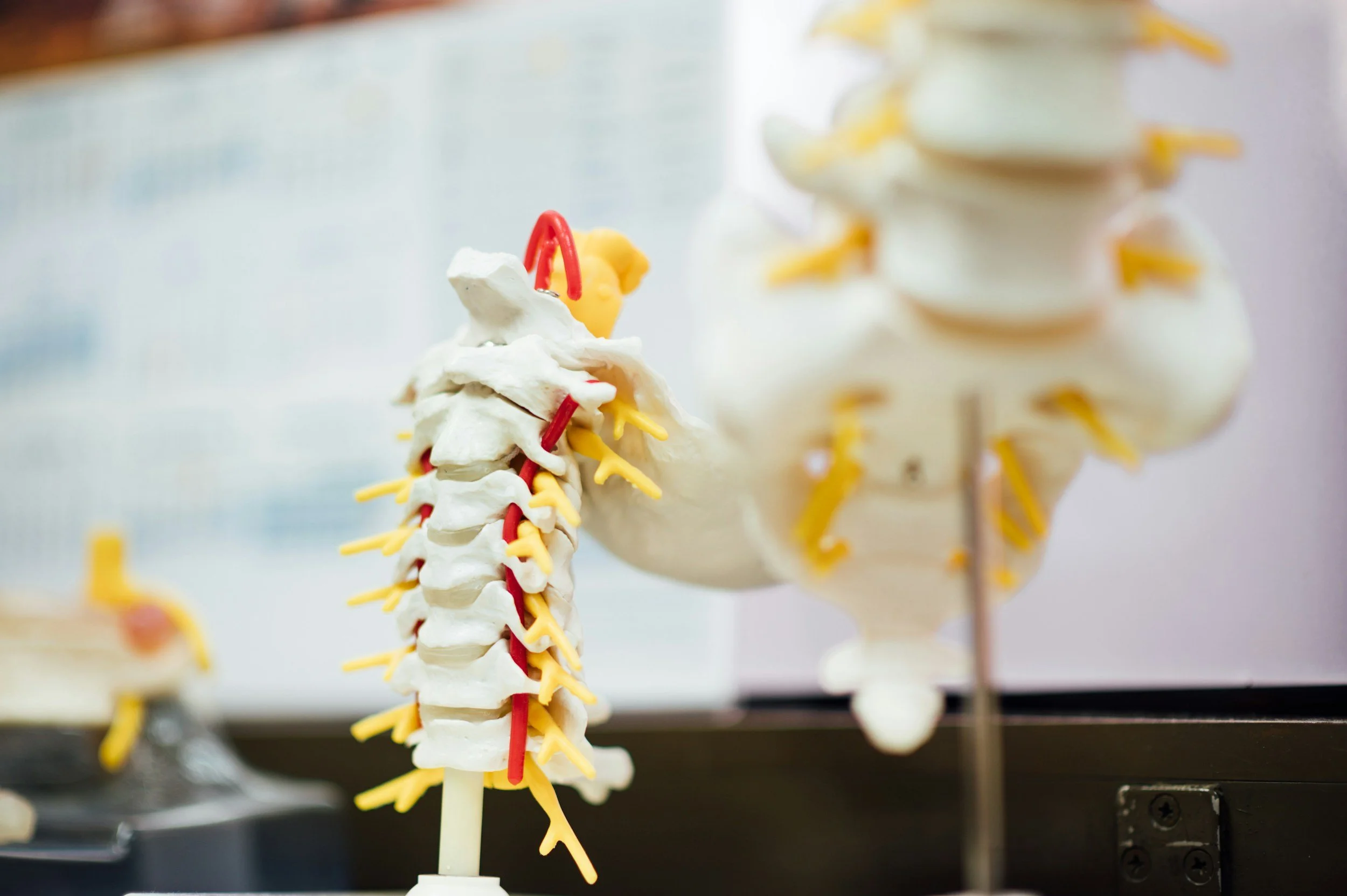
“Spring yard work is seasonal. Back pain doesn’t have to be.”

Staff Spotlight: Steve Cornell, PT, DPT
This month we’re proud to highlight a long-time member of our clinical team, Steve Cornell, in our Staff Spotlight.
A lifelong resident of the Capital Region, Steve brings nearly 20 years of experience in outpatient orthopedic physical therapy to the Repsher team. His journey into the profession began at Utica College, where he earned his undergraduate degree in 2006 before completing his Doctorate of Physical Therapy from the same institution in 2010.
Prior to joining Repsher & Associates Physical Therapy in 2013, Steve gained valuable experience practicing in the Glens Falls area and providing weekend care at Sunnyview Rehabilitation Hospital.
Commitment to Clinical Excellence
Steve is a strong believer in lifelong learning and continually pursues advanced education to better serve his patients. Over the years he has completed extensive continuing education across multiple orthopedic specialties. Most recently he completed:
• Hip Preservation Certification from the world-renowned Hospital for Special Surgery (HSS)
• Persistent Pain Certificate through the American Physical Therapy Association (APTA)
Outside the Clinic
When he’s not treating patients, Steve is usually on a ball field. He lives in Clifton Park with his wife—who is also a Physical Therapist—and their two children, ages 12 and 9.
• Coach Steve: In the spring and summer, Steve spends much of his time coaching his son’s baseball teams and his daughter’s softball team.
• Music & Sports Enthusiast: A lifelong fan of music and athletics, he enjoys attending concerts, sporting events, and theater productions with his family.
• Family Dog: The Cornell household is also home to Nina, their beloved 13-year-old Tibetan Terrier.



💪 Exercise of the Month ⭐️
Thoracic Extension Over a Foam Roller
Many people develop stiffness in the thoracic spine (upper back) due to prolonged sitting, computer work, and reduced movement during the winter months. When the upper back becomes stiff, the body often compensates by placing additional stress on the neck, shoulders, and lower back.
Improving thoracic mobility can help support better posture and more efficient movement during activities like running, golf, pickleball, and strength training.
How to perform the exercise
Lie on your back with a foam roller placed horizontally across your upper back.
Support your head with your hands.
Gently lean back over the roller, extending through the upper back.
Hold the stretch for 3–5 seconds, then return to neutral.
Repeat 8–10 repetitions, moving the roller slightly up or down to target different areas.
Key tips
• Move slowly and avoid forcing the stretch
• Keep the movement focused in the upper back, not the lower back
• Breathe normally during the movement
Why it helps
This exercise helps restore mobility to the thoracic spine, which can improve shoulder movement, posture, and rotational activities used in many sports and daily tasks.
Adding a few sets of this exercise several times per week can help keep your upper back moving well and reduce stiffness that often develops from prolonged sitting.
Why your progress depends on what happens outside the clinic
One of the most important aspects of successful rehabilitation happens between physical therapy visits. While in-clinic treatment helps guide the process, lasting improvement depends heavily on the effort patients put into their recovery at home.
Physical therapy works best when it is a collaborative process between the therapist and the patient.
🧠 Taking Ownership of Your Recovery
Understanding your injury
Taking time to learn about your condition can also make a meaningful difference in recovery. Understanding what structures are involved, typical healing timelines, and expected progress helps patients set realistic expectations and stay engaged in the process.

Recovery requires patience and consistency
Many injuries and conditions improve gradually rather than overnight. Consistency with exercises, good movement habits, and gradual progression are often the factors that determine long-term success.
Physical therapy is ultimately designed to help patients build the strength, mobility, and knowledge needed to manage their health independently, allowing them to return to the activities they enjoy with confidence.
Why home exercises matter
Exercises prescribed during therapy are designed to:
• Improve mobility in stiff joints
• Strengthen muscles that support injured areas
• Restore proper movement patterns
• Build tolerance to activity over time
These changes require consistent repetition, which simply cannot happen during clinic visits alone.