Repsher Physical Therapy Summer 2026 Newsletter
Your Movement. Your Health. Our Mission.

In This Issue:
🕶️ ☀️ Volume 1, Issue 4 ☀️ 🕶️
Hydration & Nutrition in the Summer Heat
Fuel Your Body for Summer Activities
Proper hydration and smart nutritional choices can help prevent fatigue, improve performance, and keep you feeling your best during the warmer months.
Managing Swelling During Hot Weather
Keep Summer Swelling Under Control
Warmer temperatures can lead to increased swelling in the legs and feet, but movement, hydration, and a few simple habits can help minimize discomfort.
Clinic Update
One Year of New Ownership: Thank You for Your Continued Support
As we reflect on our first year as owners of Repsher Physical Therapy, we are incredibly grateful for the trust and support of our patients, referral sources, and community, whose loyalty has allowed us to continue building upon the tradition of exceptional care established over the past 45 years.
Travel Tips for a Pain-Free Vacation
Don't Let Travel Slow You Down
Long car rides and flights can contribute to back, neck, and joint pain, but a few simple strategies can help keep you comfortable throughout your journey.
Understanding Dizziness & Vertigo
When the Room Starts Spinning
Many causes of dizziness and vertigo can be effectively treated with specialized vestibular physical therapy, helping patients return to their normal activities with confidence.
Benefits of Aquatic Therapy
Healing Through the Power of Water
Aquatic therapy provides a low-impact environment that can reduce pain, improve mobility, and make exercise more comfortable for many patients.
Travel Tips for a Pain-Free Vacation
Don't Let Travel Slow You Down
Long car rides, flights, and extended periods of sitting can contribute to stiffness, muscle tightness, and joint discomfort, but a few simple strategies can help you arrive feeling your best.
Summer travel is one of the highlights of the season. Whether you're driving to the beach, flying across the country, or exploring a new destination, travel often means spending hours in the same position. Unfortunately, our bodies are designed to move, not remain seated for extended periods of time.
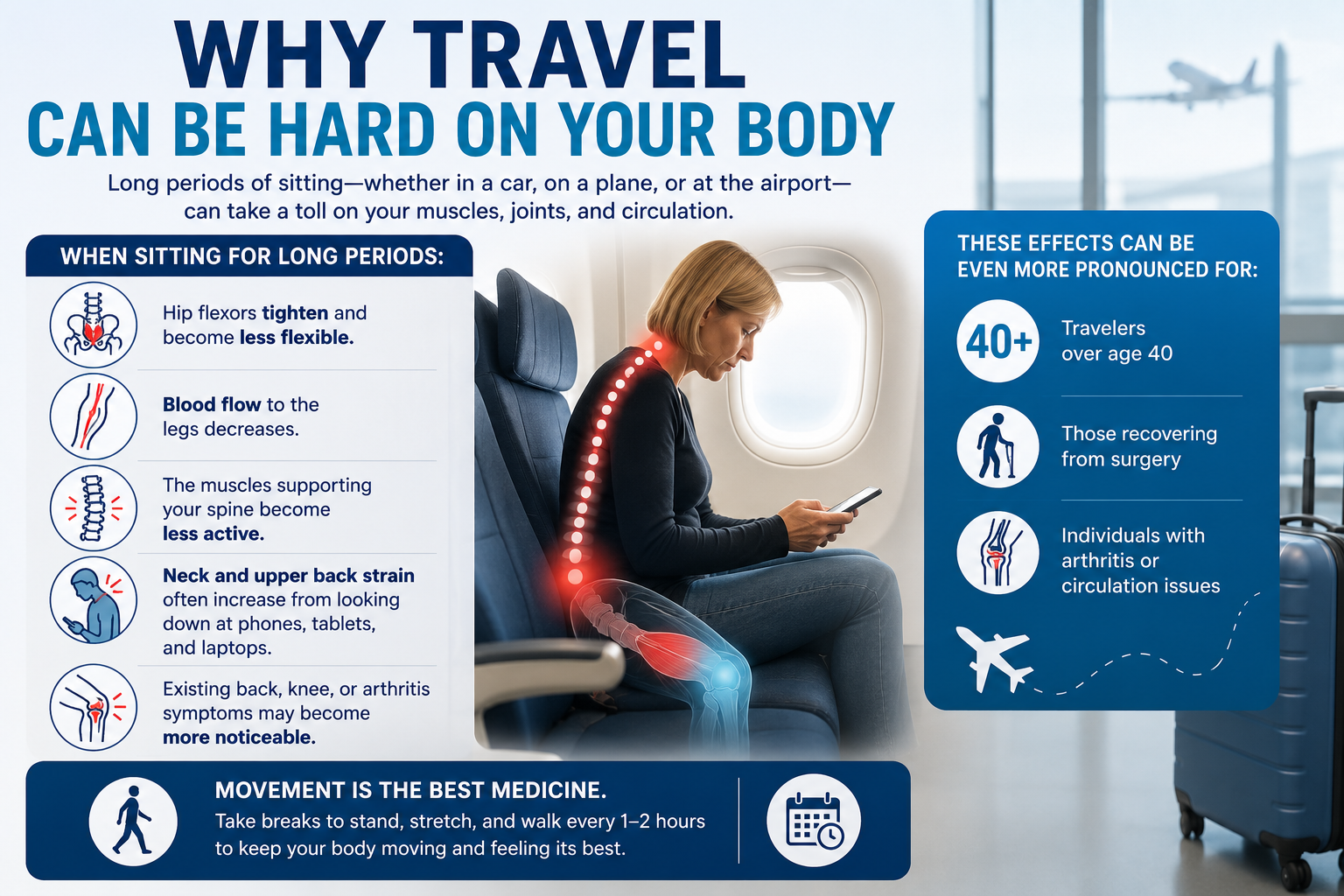
Research has consistently shown that prolonged sitting can contribute to neck pain, back pain, hip stiffness, reduced circulation, and overall musculoskeletal discomfort. Experts note that while posture matters, movement matters even more. Even sitting in a "good" position for too long can lead to stiffness and soreness.

The Importance of Movement
One recent study found that individuals who accumulated more than 100 minutes of walking daily had a 23% lower risk of developing chronic low back pain compared to those who walked less. While you may not be walking that much during travel days, the message is clear: regular movement matters.
The Centers for Disease Control and Prevention (CDC) recommends moving your legs frequently and walking every 1–2 hours during long trips to improve circulation and reduce the risks associated with prolonged sitting.
A Special Note About Blood Clots
Although uncommon, sitting for more than four hours at a time can increase the risk of developing a blood clot in the legs, particularly in individuals with other risk factors such as recent surgery, obesity, cancer treatment, hormone therapy, or a previous history of blood clots. The CDC recommends standing, walking, and performing leg exercises during long trips to reduce this risk.
Five Travel Tips to Stay Comfortable
1. Take Frequent Movement Breaks
If you're driving, stop every 1–2 hours to get out, walk, and stretch. If you're flying, choose an aisle seat when possible and take opportunities to walk the cabin.
2. Support Your Lower Back
A small lumbar roll, travel pillow, or rolled towel placed behind your lower back can help maintain a more comfortable spinal position and reduce fatigue during long periods of sitting.
3. Keep Your Neck Happy
Avoid spending hours looking down at your phone. Hold devices closer to eye level and periodically perform gentle chin tucks and shoulder rolls throughout your trip.
4. Stay Hydrated
Dehydration can contribute to muscle cramping, fatigue, and feelings of stiffness. Begin hydrating before your trip starts and continue throughout the day.
5. Move Your Ankles and Legs
Simple ankle pumps, heel raises, and leg movements help improve circulation during long periods of sitting. These exercises are especially important on flights or extended car rides.
Arrive Ready to Enjoy Your Vacation
One of the best things you can do after arriving at your destination is take a short walk. A 10–15 minute walk can help loosen tight muscles, restore circulation, and reduce the stiffness that often accompanies a long day of travel.
If travel consistently leaves you with back pain, neck pain, hip discomfort, or balance issues, physical therapy may help identify the underlying cause and provide strategies to keep you moving comfortably throughout the year.
When the Room Starts Spinning
Many people assume dizziness is simply a normal part of aging, but in many cases it can be successfully treated with specialized vestibular physical therapy.
Dizziness affects millions of Americans each year and is one of the most common reasons adults seek medical care. In fact, studies estimate that nearly 35% of adults over age 40 in the United States have experienced some form of vestibular dysfunction, which can affect balance, spatial orientation, and overall stability. The good news is that many causes of dizziness and vertigo respond very well to treatment.
Understanding Dizziness & Vertigo
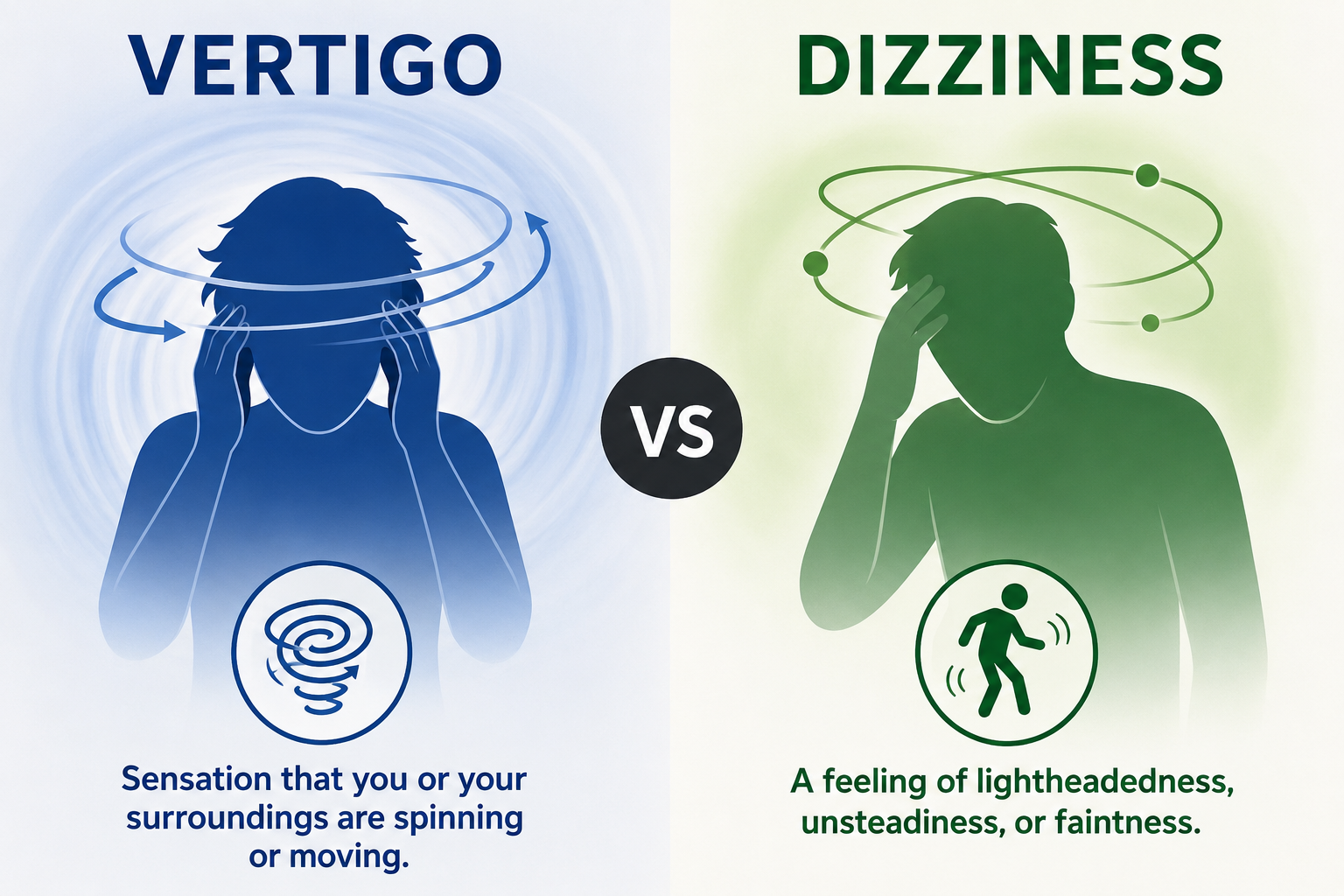
Dizziness vs. Vertigo: What's the Difference?
Many people use the terms interchangeably, but they are not the same thing.
Dizziness is a broad term that may include:
Feeling lightheaded
Feeling unsteady or off-balance
Feeling faint
A sensation of floating or disorientation
Vertigo is a specific type of dizziness characterized by:
A spinning sensation
The feeling that the room is moving around you
Symptoms that often worsen with head movements or position changes
Understanding the difference is important because treatment depends on identifying the underlying cause.
A Common Cause: Benign Paroxysmal Positional Vertigo (BPPV)
One of the most common causes of vertigo is Benign Paroxysmal Positional Vertigo (BPPV). BPPV occurs when tiny calcium carbonate crystals (sometimes called "ear crystals") become displaced within the inner ear.
When these crystals move into the wrong part of the vestibular system, they send inaccurate signals to the brain about your body's position, causing symptoms such as:
Sudden spinning sensations
Dizziness when rolling in bed
Symptoms when looking up or bending down
Nausea
Balance difficulties
Research suggests that BPPV accounts for approximately 20-30% of patients evaluated for dizziness and becomes increasingly common with age.
Balance Is More Than Just Your Ears
Maintaining balance requires coordination between three major systems:
The Vestibular System (inner ear)
Vision
Proprioception (feedback from muscles and joints)
When one of these systems is not functioning properly, symptoms of dizziness, imbalance, or unsteadiness may occur.
Many patients describe:
Feeling "off"
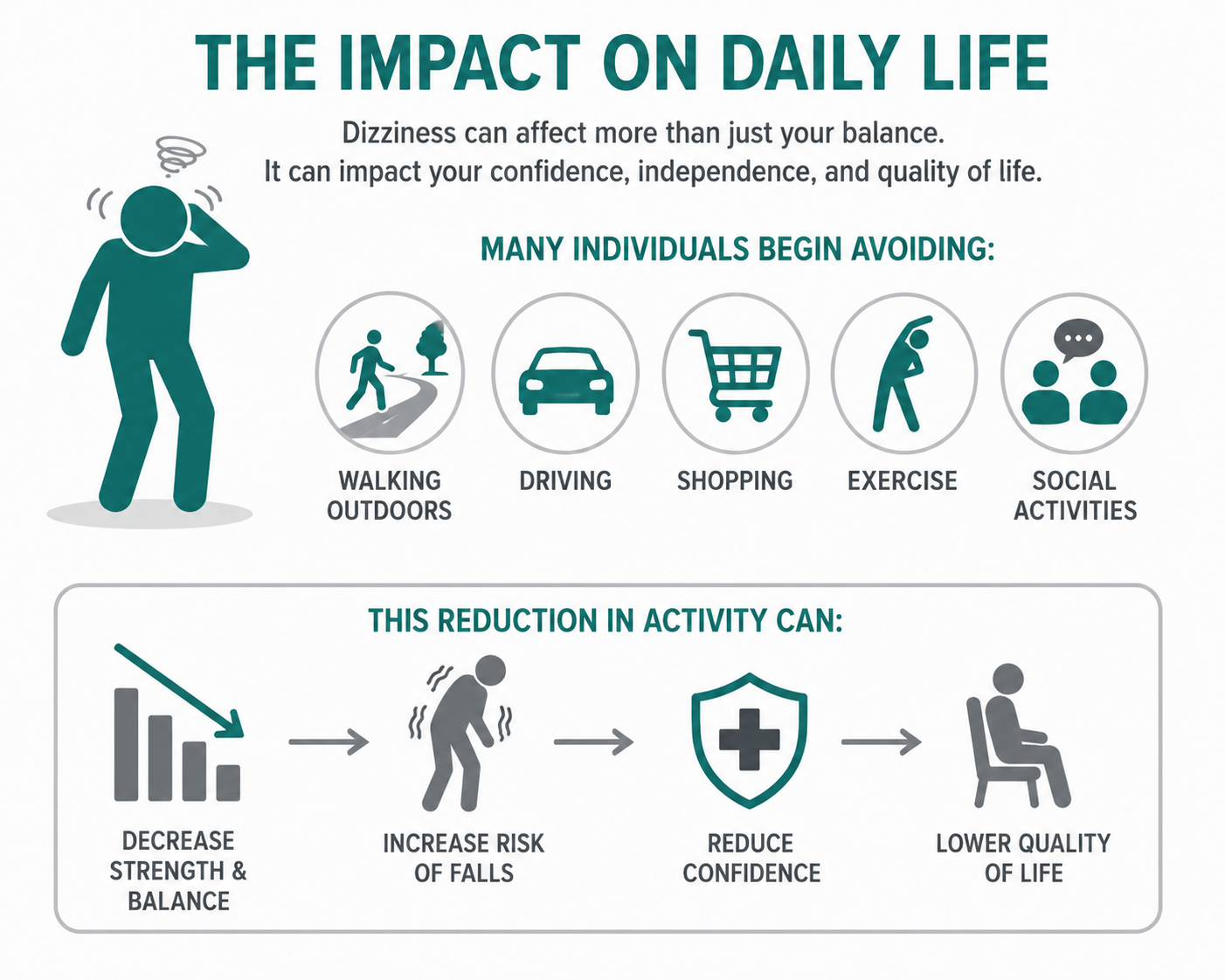
Difficulty walking in busy environments
Unsteadiness in grocery stores
Increased symptoms when turning quickly
Fear of falling
How Physical Therapy Can Help
Vestibular rehabilitation is a specialized form of physical therapy designed to address dizziness, vertigo, and balance disorders.
Treatment may include:
Canalith repositioning maneuvers for BPPV
Balance training exercises
Eye movement exercises
Gaze stabilization activities
Walking and mobility training
Fall prevention strategies
Studies have shown that vestibular rehabilitation can significantly reduce dizziness symptoms, improve balance, and decrease fall risk in many patients.
For patients with BPPV, repositioning maneuvers are often highly effective, with many individuals experiencing substantial improvement after just one to three treatment sessions.
When Should You Seek Help?
Consider a vestibular evaluation if you experience:
Spinning sensations when changing positions
Dizziness when rolling in bed
Unsteadiness while walking
Frequent loss of balance
Motion sensitivity
Recurrent episodes of dizziness
While dizziness should always be evaluated by a healthcare professional when appropriate, many vestibular conditions can be successfully treated without medication or surgery.
Don't Ignore Dizziness
If dizziness or vertigo is limiting your ability to enjoy daily activities, help is available. At Repsher Physical Therapy, our therapists specialize in vestibular rehabilitation and balance training to help patients regain confidence, improve stability, and get back to living life without the fear of dizziness. Don't Ignore Dizziness
If dizziness or vertigo is limiting your ability to enjoy daily activities, help is available. At Repsher Physical Therapy, our therapists specialize in vestibular rehabilitation and balance training to help patients regain confidence, improve stability, and get back to living life without the fear of dizziness.

Benefits of Aquatic Therapy
Why Water Works
Water provides several advantages that make movement easier and more comfortable:
Buoyancy
Water supports a portion of your body weight, reducing stress on joints and allowing individuals to move with less pain. Depending on water depth, the body can experience up to a 90% reduction in weight-bearing forces, making activities such as walking, squatting, and balance exercises much more comfortable.
Natural Resistance
Unlike weights or machines, water provides resistance in every direction. This allows patients to improve strength, endurance, and cardiovascular fitness while placing less stress on muscles and joints.
Hydrostatic Pressure
The pressure created by water can help improve circulation, decrease swelling, and provide gentle support to the body during exercise.
Improved Confidence
Many individuals who struggle with balance or fear of falling on land feel more secure in the water, allowing them to move more freely and participate in activities they may otherwise avoid.
Who Can Benefit?
Aquatic therapy can be especially helpful for individuals with:
Arthritis and joint pain
Low back pain
Balance and gait disorders
Joint replacements
Sports injuries
Chronic pain conditions
Obesity or deconditioning
Neurological conditions such as stroke, Parkinson’s disease, or Multiple Sclerosis
Research has shown that aquatic exercise can significantly improve pain, function, and quality of life in individuals with osteoarthritis and other musculoskeletal conditions.
Benefits After Surgery
Many patients recovering from joint replacement or orthopedic surgery find aquatic therapy to be an excellent bridge between early rehabilitation and returning to normal activities.
The reduced impact environment allows patients to:
Walk more comfortably
Improve range of motion
Build strength
Improve balance and confidence
Increase activity levels sooner than they may tolerate on land
More Than Just Exercise
Studies have found that aquatic therapy can improve:
Pain levels
Walking ability
Balance
Flexibility
Muscle strength
Cardiovascular fitness
Additionally, many patients simply find exercising in the water more enjoyable, which can improve long-term participation and overall outcomes.
A Safe Way to Stay Active
One of the biggest challenges in rehabilitation is finding ways to remain active without increasing pain. Aquatic therapy allows many individuals to continue exercising, maintain mobility, and improve overall health while minimizing stress on the body.
Make a Splash in Your Recovery
If pain, weakness, or mobility limitations are preventing you from staying active, aquatic therapy may be an excellent option. The supportive environment of the water can help you move with greater confidence, reduce discomfort, and continue progressing toward your goals.
At Repsher Physical Therapy, we can help determine if aquatic therapy is the right fit for your recovery and connect you with the resources needed to get started.
Healing Through the Power of Water
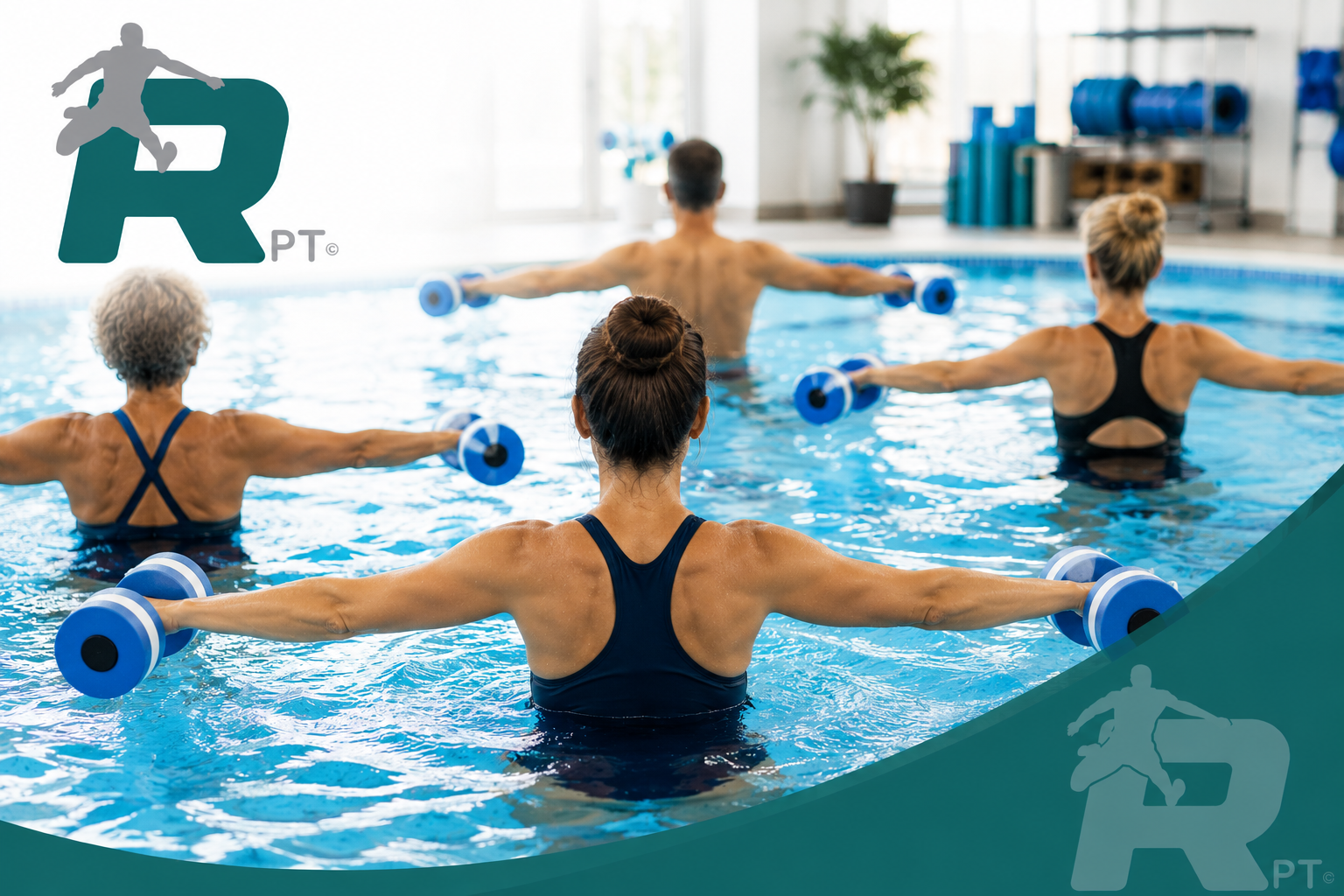
Aquatic therapy provides a safe, low-impact environment that can help reduce pain, improve mobility, and make exercise more comfortable for individuals of all ages and activity levels.
For many people, exercise can be difficult because of pain, stiffness, weakness, or balance problems. Whether recovering from surgery, managing arthritis, or dealing with a chronic condition, the thought of exercising on land can be intimidating. Aquatic therapy offers a unique solution by utilizing the natural properties of water to support movement and rehabilitation.
Hydration & Nutrition in the Summer Heat
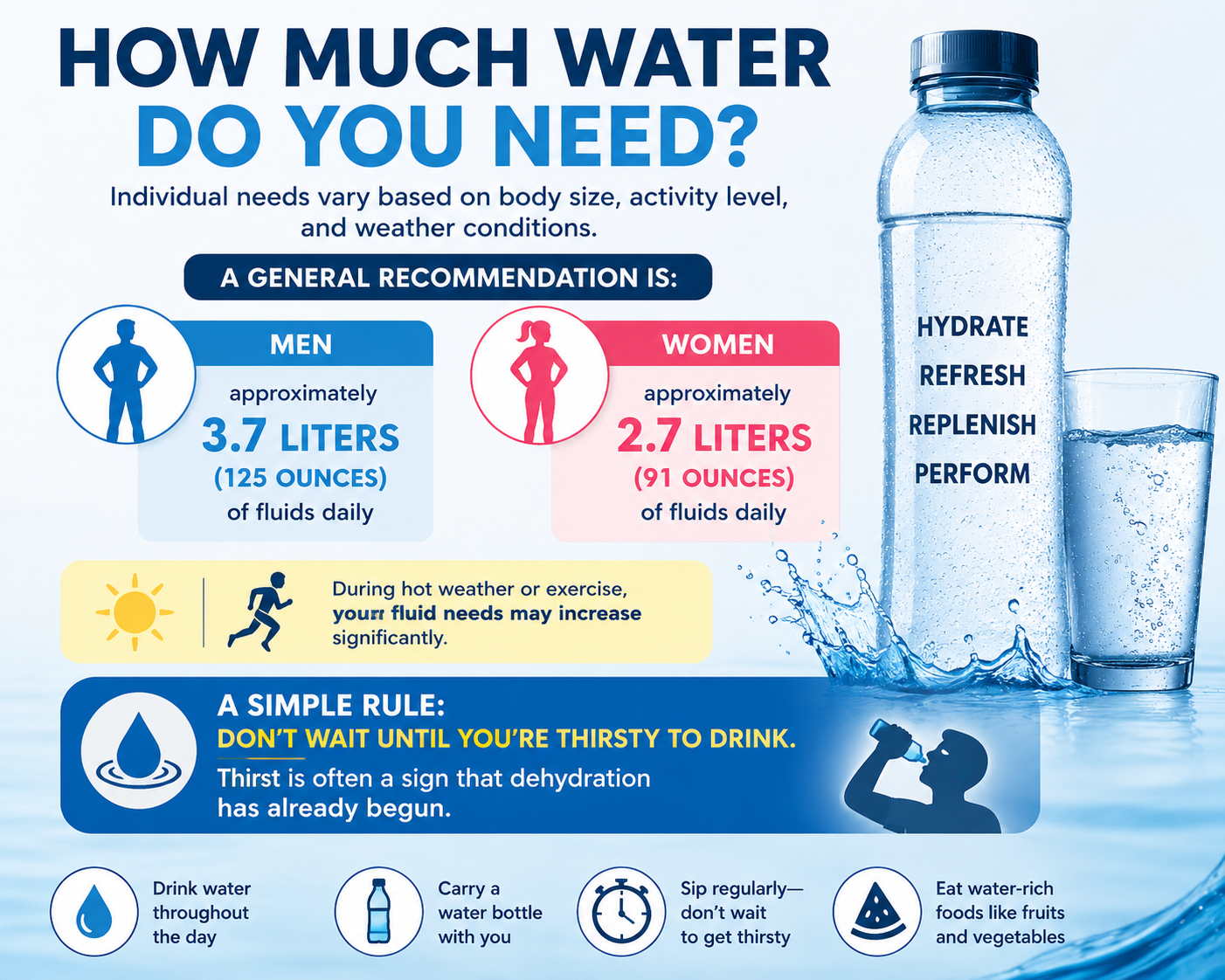
Why Hydration Matters
Water plays a vital role in nearly every function of the body, including:
Regulating body temperature
Lubricating joints
Delivering nutrients to muscles and tissues
Supporting circulation
Maintaining energy levels
Even mild dehydration can affect physical and mental performance. Research has shown that losing as little as 1-2% of body weight through dehydration can lead to fatigue, decreased endurance, reduced concentration, and impaired physical performance.
Nutrition Matters Too
Hydration is only part of the equation. The foods you eat also help support energy, recovery, and temperature regulation.
Water-rich foods can contribute significantly to daily fluid intake, including:
Watermelon
Strawberries
Oranges
Cucumbers
Tomatoes
Lettuce
Peaches
These foods not only provide hydration but also deliver important vitamins, minerals, and antioxidants.
Fuel Your Body for Summer Activities
Proper hydration and nutrition are essential during the summer months to help maintain energy levels, prevent heat-related illness, and support overall health and physical performance.
As temperatures rise, our bodies work harder to stay cool. Whether you're gardening, walking, golfing, exercising, traveling, or simply spending time outdoors, you lose fluids through sweat—even when you may not realize it. Replacing those fluids and fueling your body properly can make a significant difference in how you feel and function throughout the day.
Signs of Dehydration
Watch for:
Thirst
Dry mouth
Headache
Fatigue
Muscle cramps
Dizziness or lightheadedness
Dark yellow urine
One of the easiest ways to monitor hydration is by checking urine color. Pale yellow urine generally indicates adequate hydration, while darker urine may suggest you need more fluids.
Summer Activity Tips
Before outdoor activities:
Begin hydrating several hours beforehand.
Eat a balanced meal containing carbohydrates and protein.
During activity:
Drink water regularly.
Take breaks in shaded or air-conditioned areas.
Wear light-colored, breathable clothing.
After activity:
Continue replacing fluids.
Consume protein and healthy carbohydrates to support recovery.

Don't Forget Electrolytes
When you sweat, you lose more than water. You also lose electrolytes such as:
Sodium
Potassium
Magnesium
These minerals help regulate muscle contractions, nerve function, and fluid balance.
For most people, a balanced diet provides adequate electrolytes. However, individuals participating in prolonged outdoor activities, sports, or heavy physical labor may benefit from electrolyte-containing beverages or foods.
Good sources include:
Bananas
Yogurt
Milk
Nuts
Leafy greens
Sports drinks (when appropriate)
Stay Healthy All Summer Long
Proper hydration and nutrition can help reduce fatigue, improve exercise performance, support recovery, and lower the risk of heat-related illness. Whether you're enjoying a round of golf, a family vacation, or a walk around the neighborhood, giving your body the fuel and fluids it needs can help you make the most of the summer season.
Stay Cool, Stay Hydrated, Stay Active
Small habits can make a big difference. Prioritizing hydration and smart nutrition choices can help you feel your best and continue enjoying the activities you love all summer long.
Managing Swelling During Summer Heat
Keep Summer Swelling Under Control
Warmer temperatures can cause swelling in the feet, ankles, and legs, but understanding why it happens and taking a few simple precautions can help keep you comfortable and active all summer long.
Have you ever noticed your shoes feel tighter or your ankles seem puffier during the summer? You're not alone. Mild swelling, also known as edema, is common during hot weather and affects many people, especially those who spend long periods sitting, standing, or traveling.
Why Does Swelling Increase in the Summer? 💦
When temperatures rise, blood vessels naturally expand (dilate) to help the body cool itself. While this process is important for temperature regulation, it can also allow fluid to leak from blood vessels into surrounding tissues, leading to swelling.
Factors that can increase summer swelling include:
Prolonged sitting or standing
Long car rides or flights
Hot and humid weather
Reduced physical activity
Previous injury or surgery
Venous insufficiency or circulation problems
Movement Is Your Best Friend 🏃
One of the most effective ways to reduce swelling is simply to move.
When the muscles in your legs contract, they help pump blood and fluid back toward the heart. Sitting for long periods allows fluid to pool in the lower extremities.
Try to:
Walk every hour when possible
Perform ankle pumps while sitting
Change positions frequently
Avoid sitting with your legs down for extended periods
Research consistently shows that regular movement improves circulation and helps reduce fluid accumulation in the lower extremities.
Elevate When You Can ⬆️
If you notice swelling after a long day, elevate your legs above heart level for 15–30 minutes.
This helps gravity assist the return of excess fluid and can significantly reduce discomfort and tightness.
Stay Hydrated 💧
It may seem counterintuitive, but dehydration can actually contribute to fluid retention.
When the body senses dehydration, it tends to hold onto available fluids. Drinking adequate water throughout the day helps maintain proper fluid balance and circulation.
Consider Compression 🩹
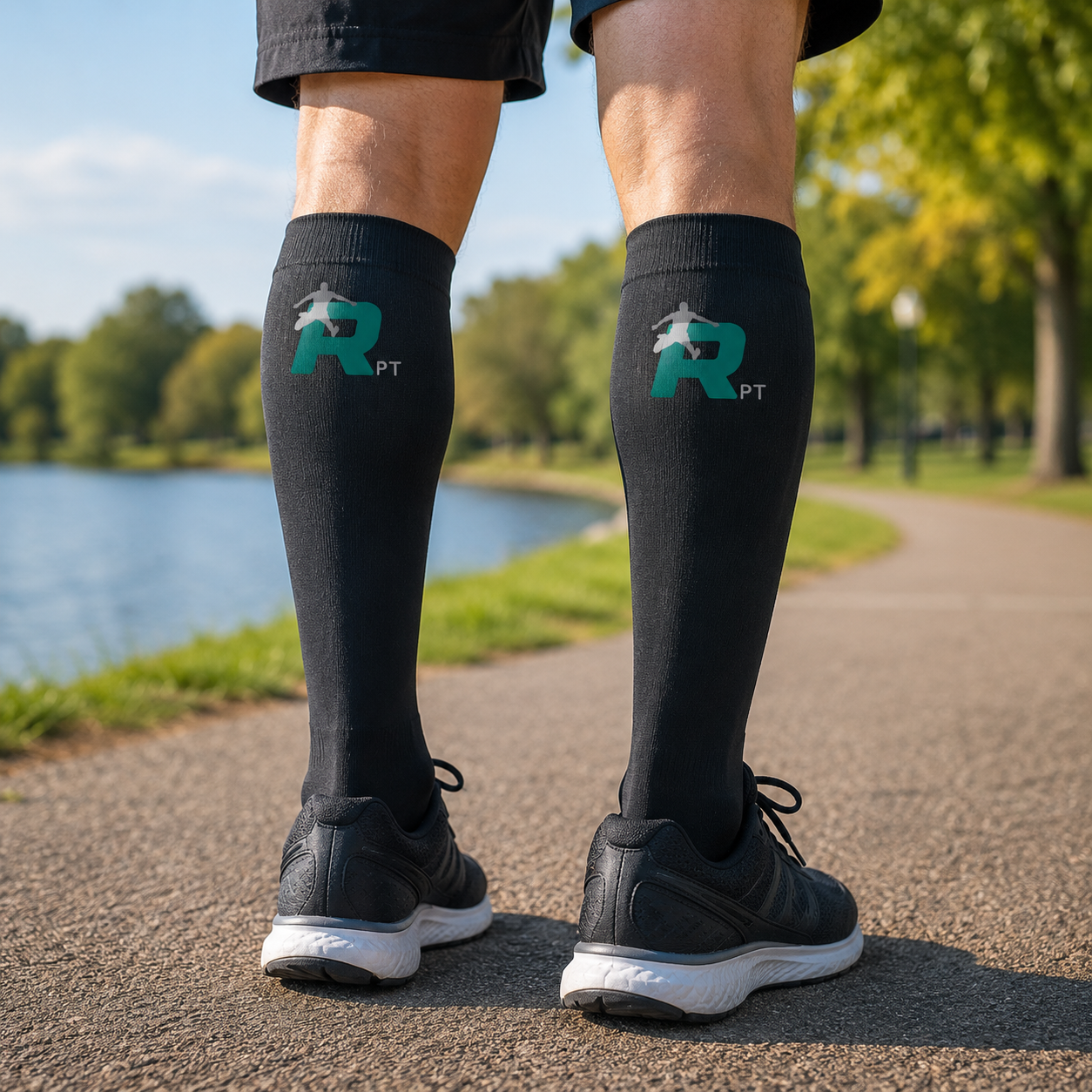
Compression socks can help support circulation and reduce swelling, especially during:
Air travel
Long car rides
Extended standing
Long work shifts
Many people find that light to moderate compression stockings significantly improve comfort during the summer months.
Exercise Helps More Than You Think 🚶♀️
Regular exercise promotes healthy circulation and lymphatic drainage.
Excellent summer activities include:
Walking
Swimming
Water aerobics
Cycling
Gentle strengthening exercises
Even a 20–30 minute walk can help improve circulation and reduce swelling.
When Should You Be Concerned? 🙁
While mild swelling in both legs during hot weather is often harmless, some symptoms warrant medical attention.
Contact a healthcare provider if swelling:
Appears suddenly
Occurs in only one leg
Is accompanied by redness or warmth
Causes significant pain
Occurs with shortness of breath or chest pain
These symptoms may indicate a more serious medical condition and should be evaluated promptly.
How Physical Therapy Can Help 🩺
Persistent swelling may be related to reduced mobility, weakness, balance deficits, previous injuries, or circulatory issues. Physical therapists can help improve movement, strength, and activity tolerance while teaching strategies to manage swelling more effectively.
Stay Active and Comfortable This Summer
A little swelling during hot weather is common, but it doesn't have to limit your activities. By staying active, hydrating well, and keeping circulation moving, you can help minimize swelling and enjoy everything summer has to offer.
If swelling, pain, or mobility issues are keeping you from doing the things you enjoy, the team at Repsher Physical Therapy is here to help.



One Year Later: Thank You for Your Continued Support
Reflecting on Our First Year of Ownership
Recently, we passed the one-year mark as owners of Repsher Physical Therapy, and we wanted to take a moment to express our sincere gratitude to our patients, referral partners, and community for your continued trust and support.
This past year has been both rewarding and humbling. As we stepped into ownership, our goal was simple: to build upon the outstanding reputation and patient-centered care that has defined Repsher Physical Therapy for more than 45 years. We have remained committed to providing exceptional care while continuing to invest in our staff, technology, and services to better serve our patients.
Over the last year, we have had the privilege of helping thousands of individuals recover from injury, improve mobility, return to sports and activities, and achieve their personal goals. We have also continued to grow our team, expand our community involvement, and enhance the patient experience throughout every step of the rehabilitation process.
None of this would be possible without the loyalty and confidence of our patients and referral sources. Your support has allowed us to continue doing what we love—helping people move better, feel better, and live healthier lives.
As we begin our second year of ownership, we remain committed to providing the highest level of care and service to the Capital Region. We are excited about what the future holds and look forward to continuing to serve you for many years to come.
Thank you for being part of the Repsher Physical Therapy family.
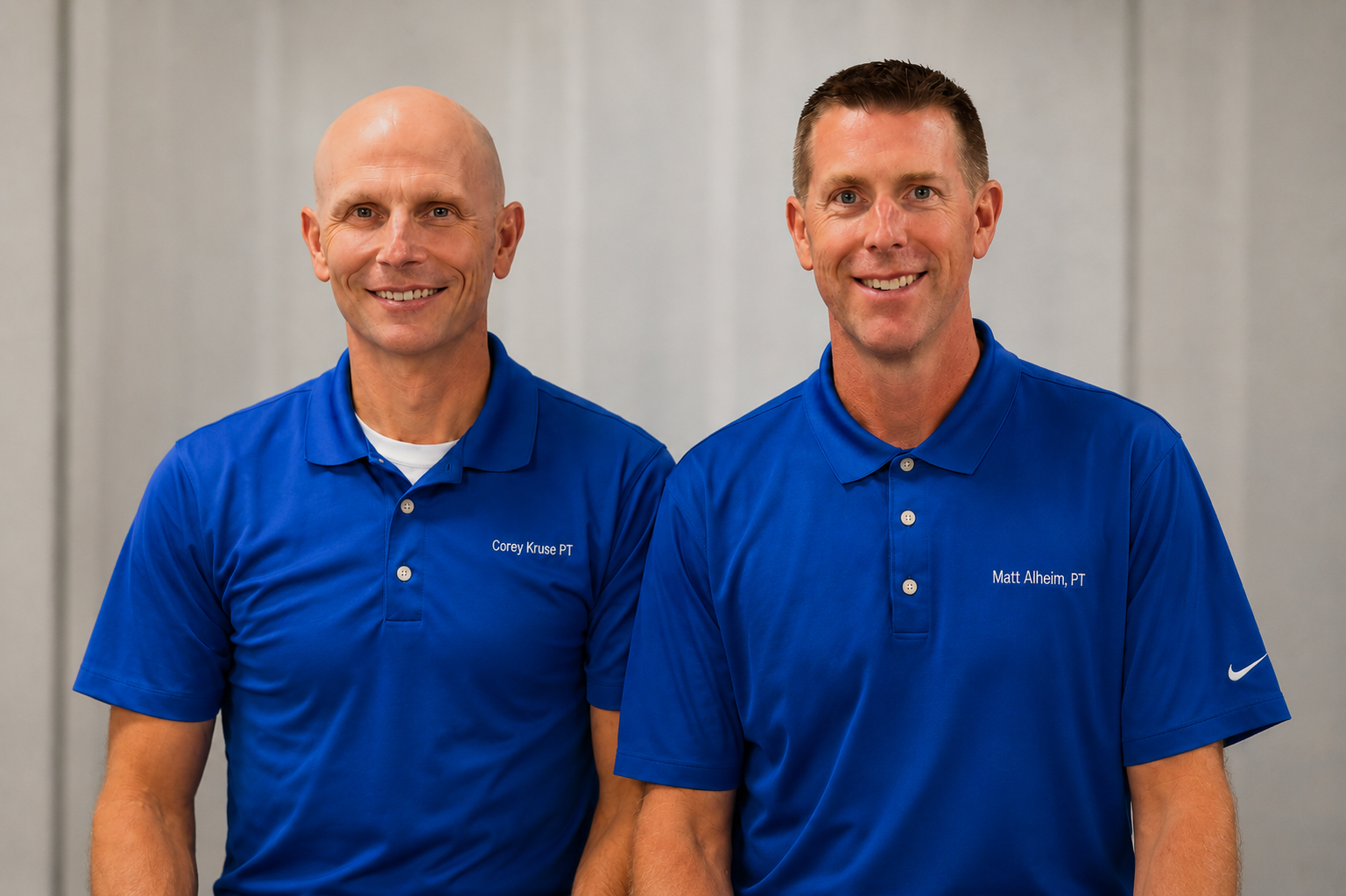
Corey Kruse & Matthew Alheim
Owners, Repsher Physical Therapy
"Helping People Over Life's Hurdles"