Repsher Physical Therapy Winter 2025 Newsletter
Your Movement. Your Health. Our Mission.

Volume 1, Issue 2
📬 In This Issue — Winter 2025 - ‘26 ❄️
The Repsher PT Rundown 📢
Holiday hours, upcoming events, and important announcements for the season.
Is It the Cold… or an Injury? 🥶
How to tell the difference between winter stiffness and true injury warning signs.
Home Exercise Ideas for Snow Days 🏠
Simple routines to keep you moving when the weather keeps you home.
Movement & Your Immune System 💪
Why staying active helps support your body’s defenses during cold and flu season.
Patient Spotlight ⭐
A look at one patient’s outstanding progress and dedication this season.
Equipment of the Month: AlterG 🏃♂️
How the Anti-Gravity Treadmill helps reduce pain and speed up rehab.
PT Mythbusters — Winter Edition 🔍
We debunk common winter beliefs about pain, activity, and recovery.

🥶 The Repsher PT Rundown 🥶
As we move through the winter season, here are a few important updates to help you plan your visits and stay connected with what’s happening around the office.
🎄 ⛷️ ❄️ ⛄ 🌨️ 🧊 🛷✨ ☕ 🏔️ 🏂 🌲
Seasonal Reminders:
• Winter Scheduling
This is one of our busiest times of the year, and appointment slots fill up quickly. If you need specific days or times, we recommend scheduling ahead to secure what works best for you.
• Winter Weather Closures/Delays
If road conditions are unsafe, we may delay opening or close early for the safety of patients and staff. Any changes will be posted on our voicemail and social media channels, so please check before traveling during storms.
• Holiday / Seasonal Closures and Hours:
Please note the following days the office will be closed:
Christmas Eve (Wednesday, December 24th): 6:30AM - 2:30PM
Christmas Day (Thursday, December 25th): CLOSED
Friday, December 26th: CLOSED
New Year’s Eve (Wednesday, December 31st): 6:30AM - 2:30PM
New Year’s Day (Thursday, January 1st): CLOSED
Friday, January 2nd: CLOSED
We’ll always remind patients in advance, but please plan appointments accordingly.
• Insurance & Authorization Updates
Many insurance plans renew or change at the start of the year. If you have a new card or updated policy, please bring it to your next visit so we can update your file.
• Upcoming Workshops & Events
Be on the lookout for our upcoming educational sessions — including shoulder workshops, balance clinics, and more. Spots fill quickly, so watch your email and social media for sign-ups.
• Health & Safety Reminder
If you’re feeling unwell or experiencing cold/flu symptoms, please give us a call to reschedule. Taking precautions keeps our staff and patients healthy throughout the season.
🧣 Office Updates - Our 2026 Plans
We’re excited to share that we have several upgrades and enhancements planned for 2026 to make your experience at Repsher PT even better. From improving the look and feel of our clinic to expanding our equipment and educational offerings, we’re committed to continuing the high-quality care and welcoming environment you’ve come to expect.
Enhanced Cleanliness & Organization – Updated cleaning routines and tidier treatment spaces to keep the clinic looking sharp and welcoming.
HVAC Follow-Up – Continued work with building management to address heating issues and maintain a comfortable environment.
More Educational Content & Events – Expanded workshops, social media education, and refreshed bulletin board content to keep patients informed and engaged.•
Planned Facility & Equipment Updates – Planned improvements for 2026 include updated upholstery on treatment tables and stools, a refreshed front desk area with improved product displays, and potential additions to our rehab equipment such as enhanced neurocognitive and neuromuscular training tools, Normatec Boots, advanced electrical stimulation units, expanded balance equipment, and a bench/squat rack system for higher-level strengthening and return-to-sport rehab.
Have ideas? We’re always open to suggestions that help make your experience at our office the best it can be.


Is It the Cold…or an Injury?
❆ ❆
❆ ❆
How to Tell the Difference This Winter
As temperatures drop, it’s common to feel more stiffness or discomfort than usual — but how do you know when it’s just the cold versus something that needs attention?
Here’s a simple breakdown to help you tell the difference:
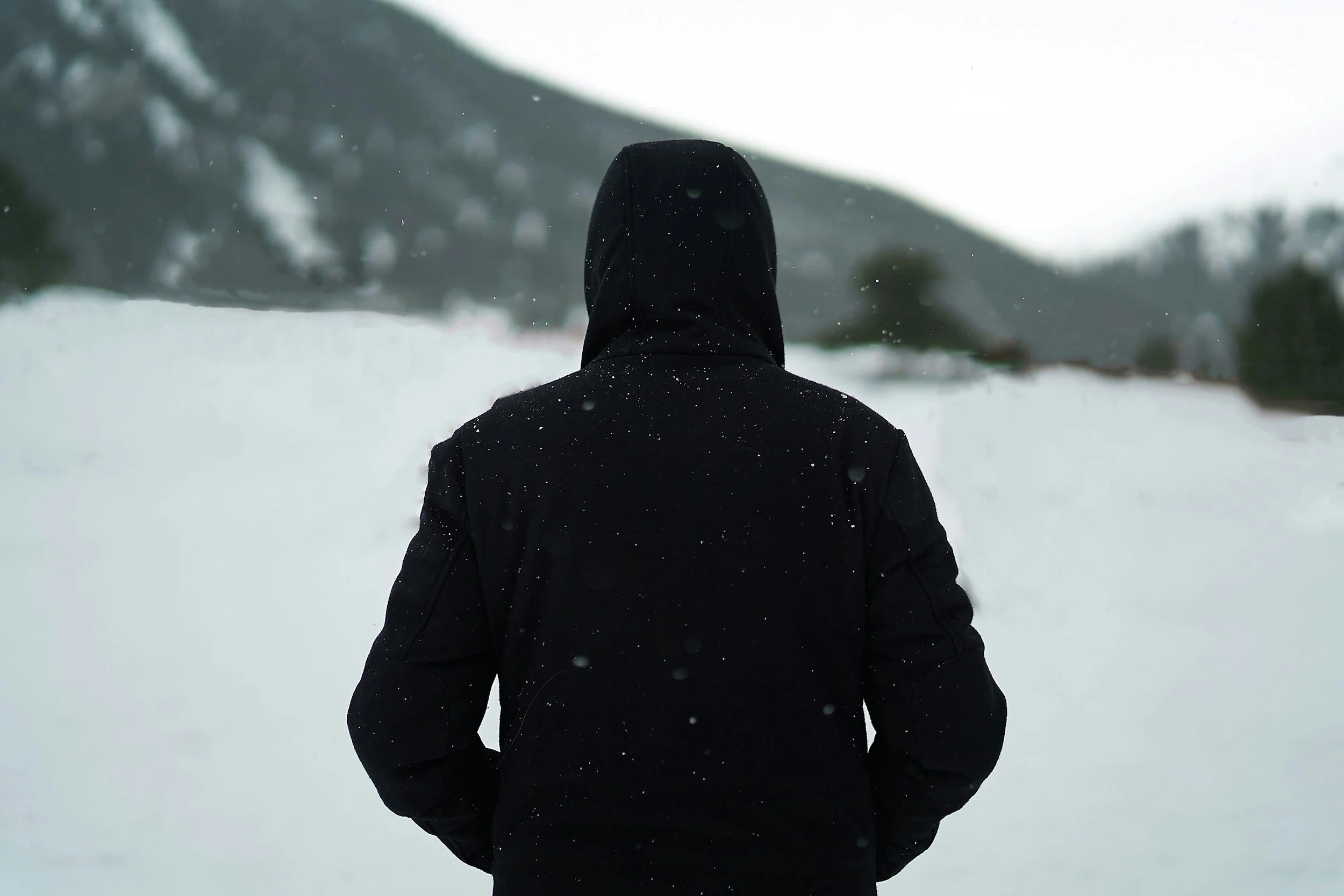
🧊 It Might Be the Cold If:
The pain or stiffness improves once you warm up or move around
Both sides feel a little tight (not just one spot)
You feel more “achy” first thing in the morning
Movement makes things better, not worse
The discomfort comes and goes with temperature changes
Cold weather can cause muscles to tighten and joints to feel more sensitive — totally normal!
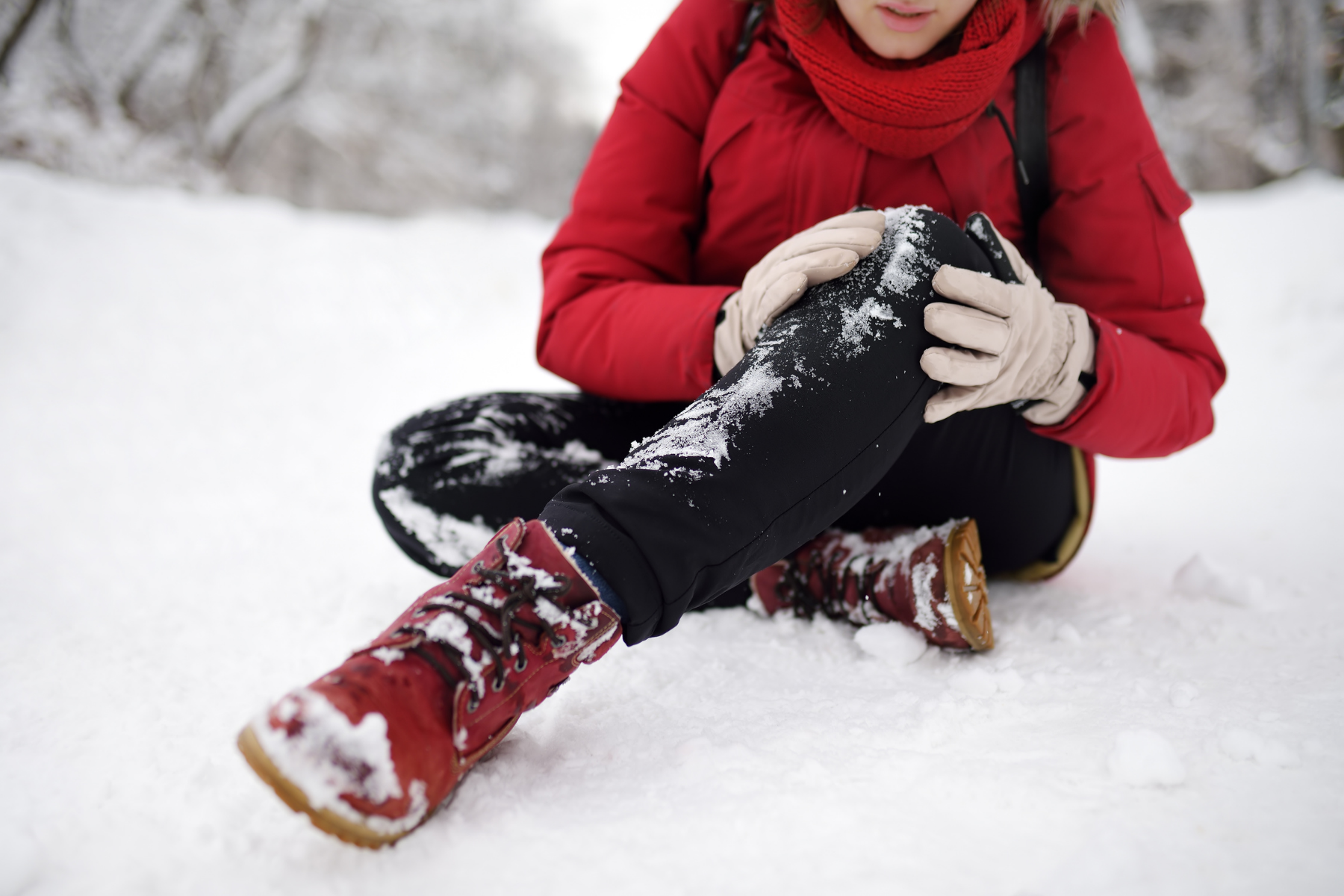
⚠️ It Might Be an Injury If:
Pain is sharp, localized, or feels “deep”
Symptoms get worse with activity
There’s swelling, bruising, or warmth
You feel instability or weakness
You can’t move through your normal range of motion
Pain persists even in warm environments
These signs suggest something more than weather-related stiffness.
When in Doubt… Don’t Wait
Catching issues early means faster recovery and fewer setbacks — especially in winter.
If you're unsure what you're feeling, give us a call. We're here to help you stay safe, active, and moving all season long.

Home Exercise Ideas for Snow Days
Warm Up First
Light marching in place, gentle arm circles, or slow range-of-motion movements to get the blood flowing.
Lower Body Strength
Body-weight squats, mini lunges, bridges, or sit-to-stands to keep hips, knees, and legs active.Core Activation
Dead bugs, pelvic tilts, or planks (as tolerated) to support your spine and reduce stiffness.Mobility Work
Gentle spine rotations, knee-to-chest stretches, doorway chest stretches, calf/ankle mobility, or hamstring stretches.Balance Practice
Single-leg stands, heel-to-toe walking, or light weight-shifting while holding a stable surface for safety.Short “Movement Snacks”
5–10 minutes of activity a few times throughout the day to stay warm, loose, and mobile.Modify as Needed
Stop if pain increases, and stick to movements that feel comfortable and supportive.Ask for a Custom Plan
Your therapist can give you a personalized “snow day routine” based on your goals and stage of rehab.

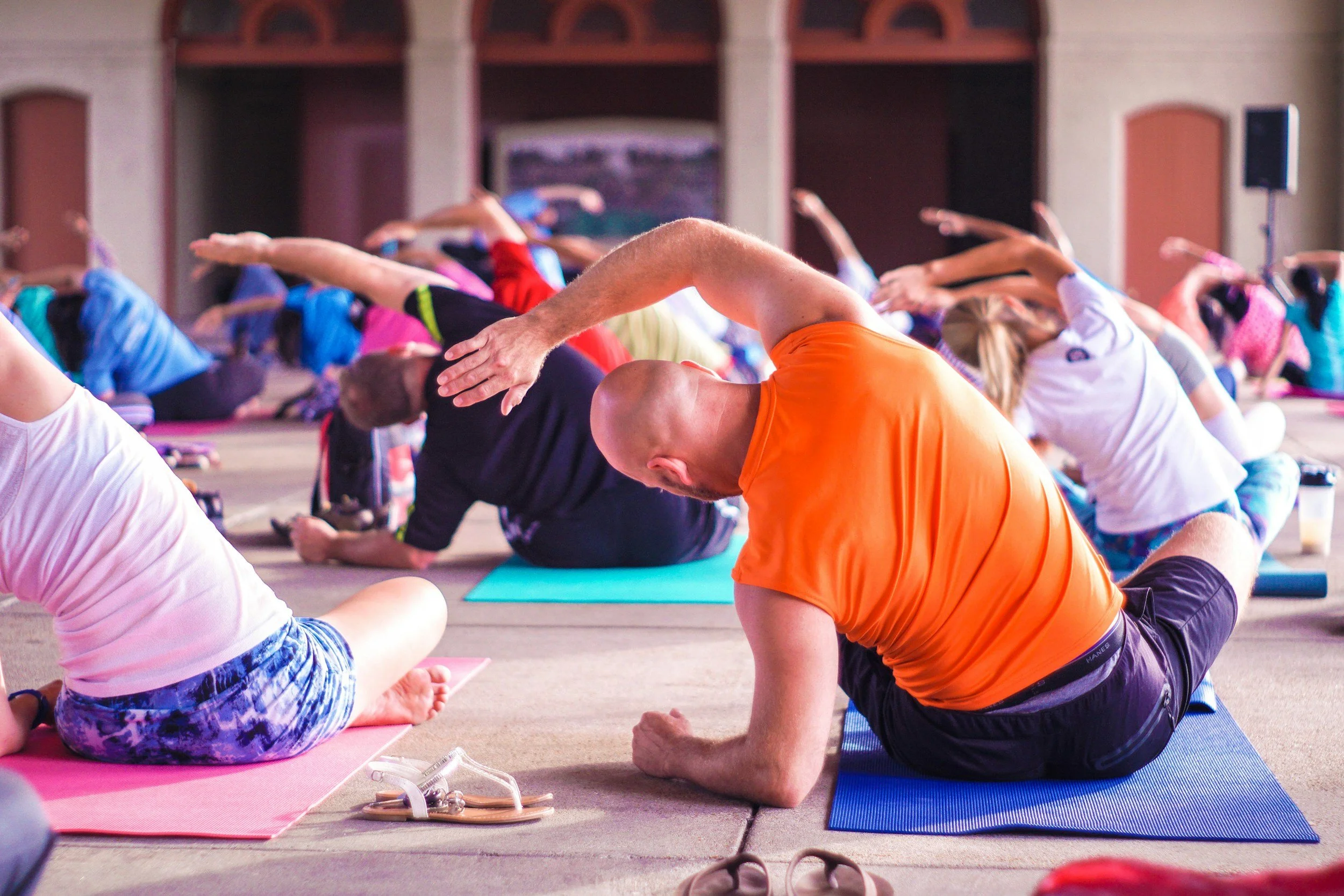
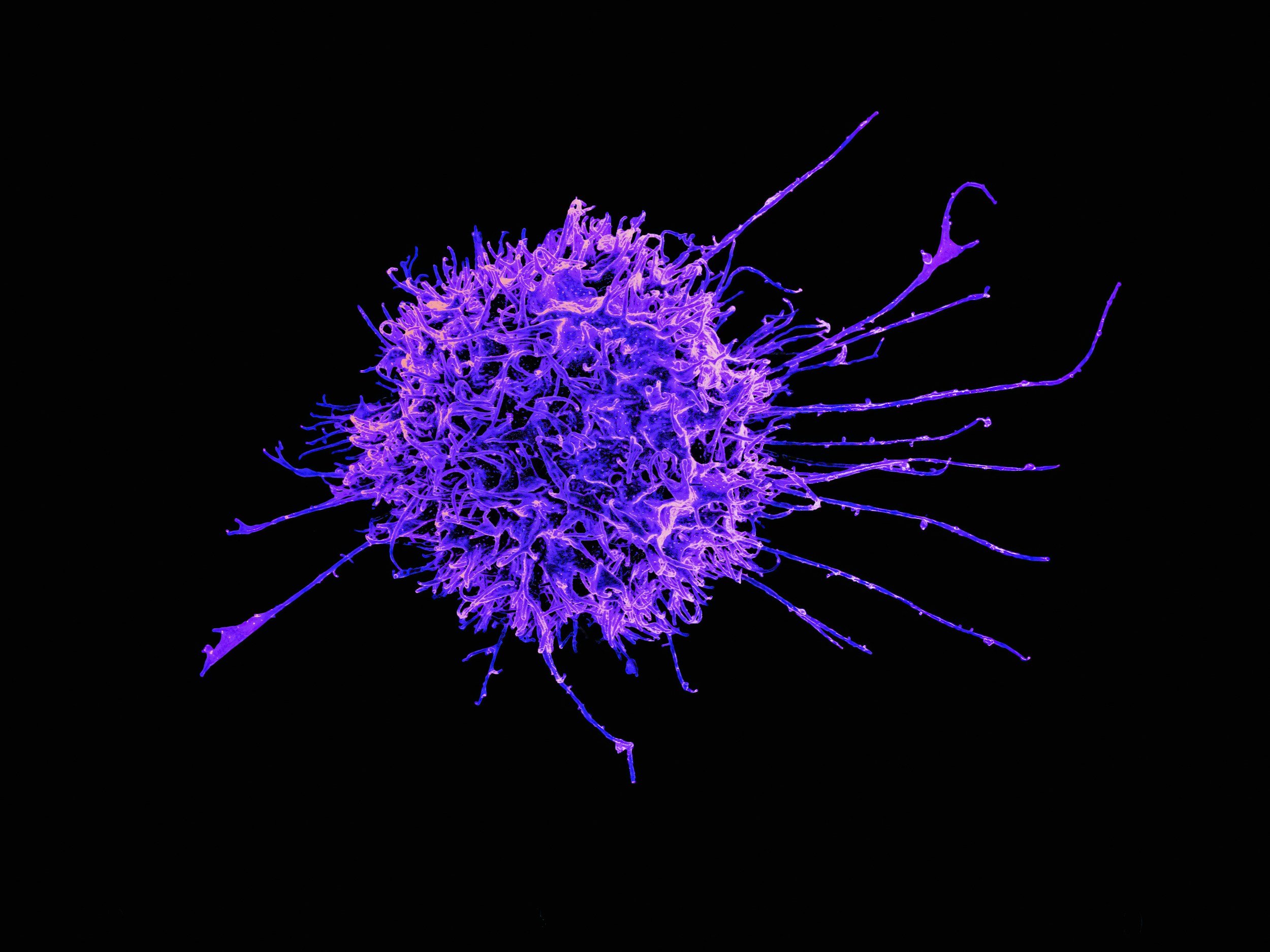
🏃♂️ Movement & Your Immune System 💉
Winter brings colder weather, less sunlight, and more time indoors — all of which can challenge your immune system. The good news? Regular movement is one of the simplest and most effective ways to keep your body healthy through the colder months.
Even light to moderate exercise increases your heart rate and improves circulation, helping immune cells like natural killer cells, neutrophils, and lymphocytes move more efficiently throughout the body. These cells act as your first line of defense against viruses and bacteria, and studies show that just 20–30 minutes of moderate activity can temporarily boost their performance.
Movement also helps regulate inflammation. Your immune system uses signaling molecules (cytokines) to coordinate healing, and consistent exercise promotes a healthier, more balanced inflammatory response. This leads to fewer chronic aches and better overall recovery.
Another important benefit is stress control. High, prolonged stress increases cortisol levels, which can weaken immune function. Regular activity helps lower and stabilize cortisol while also improving sleep quality — both key factors for a strong, resilient immune system.
The best part: you don’t need intense workouts to see benefits. Moderate, consistent movement—like walking, light strengthening, or a home PT routine—offers the greatest immune support.
Bottom line: Staying active this winter supports immunity, reduces stress, improves sleep, and helps you feel your best. If you’d like guidance on safe exercises or a personalized routine, our team is here to help.
⭐️ PATIENT SPOTLIGHT ⭐️
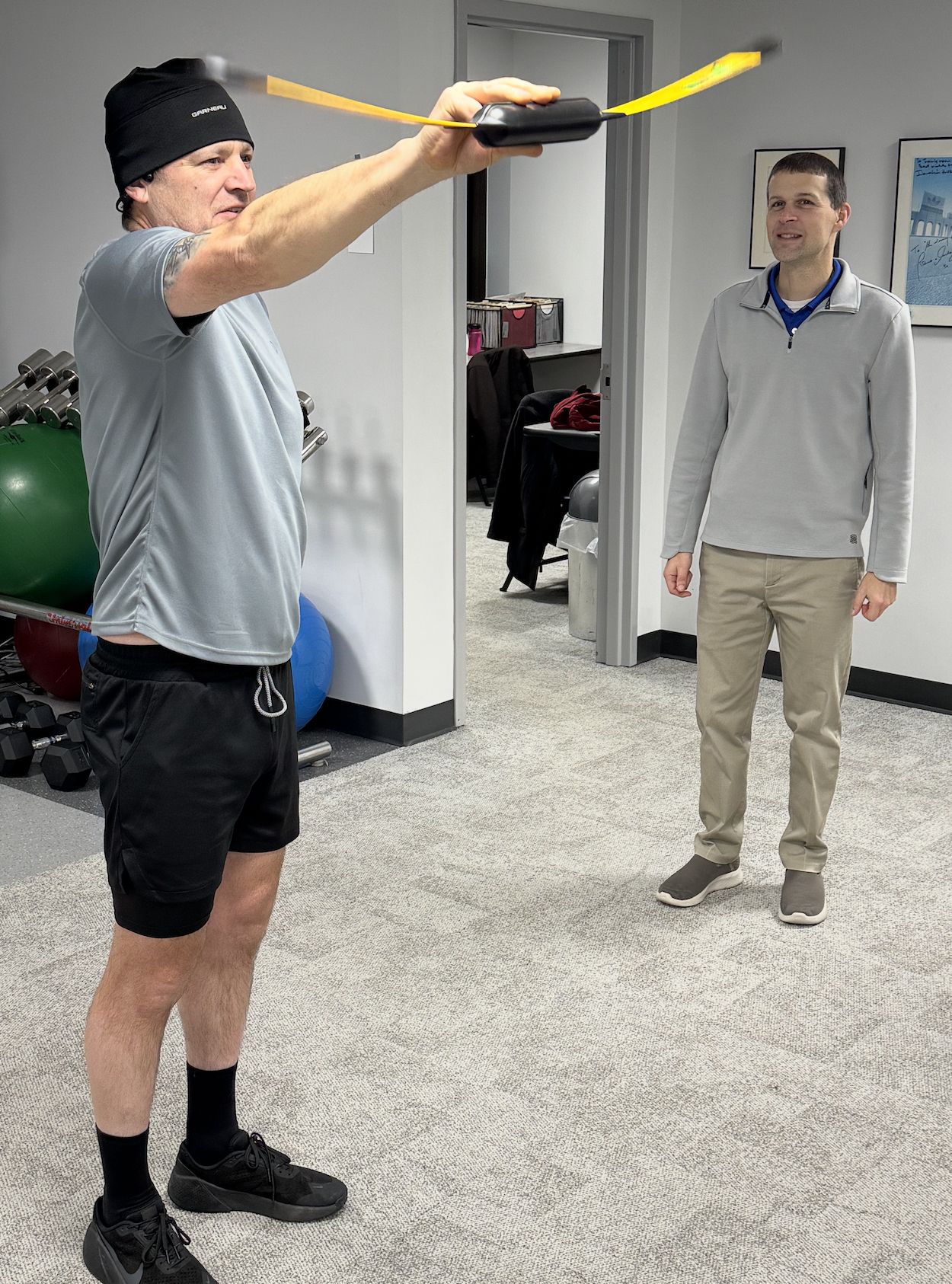
‘Paul’s Return to Biking’
Paul’s (Lockwood) recovery journey is the kind of story that reminds us why perseverance matters. After hip surgery last fall to repair a torn labrum, he spent his winter grinding through rehab, never losing sight of his goal to return to the bike. By spring of ’25, he was fully back—strong, mobile, and ready to ride.
But life threw him a curveball. An unrelated shoulder issue led to another surgery this past summer, once again pulling him away from the activity he loves most. Many people would be discouraged. Paul just got to work.
Over the last three months at Repsher PT, he committed himself—every session, every rep, every tiny milestone—to getting back to 100%. And just before Thanksgiving, he did it.
Today, Paul is back on the road, riding his brand-new bike with a fully rehabbed hip and shoulder. His journey is a reminder that recovery isn’t always linear, but dedication brings you back to the things that make life fun. Keep an eye out for Paul flying around Albany—you’ll recognize him by the speed and the smile.
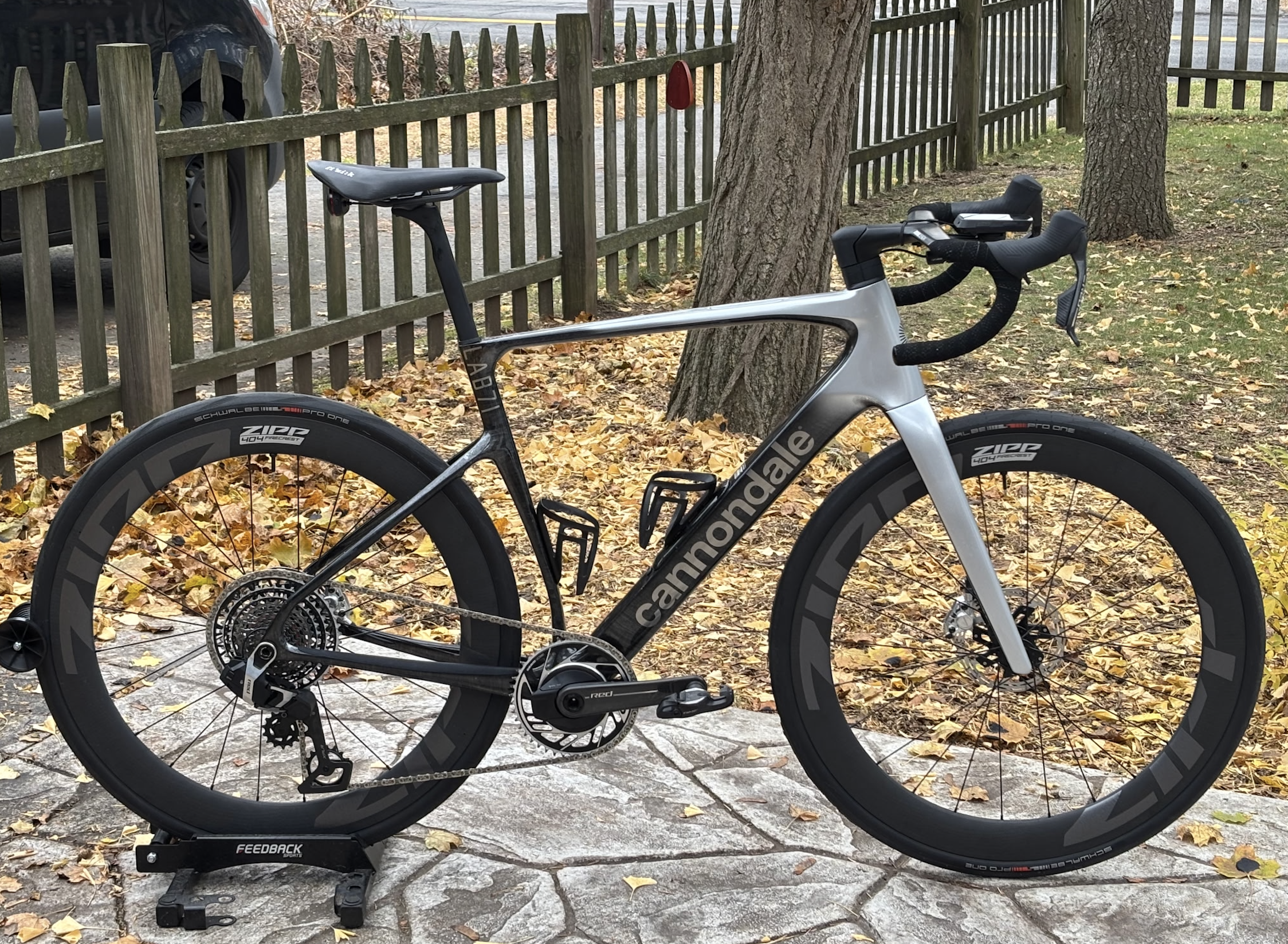
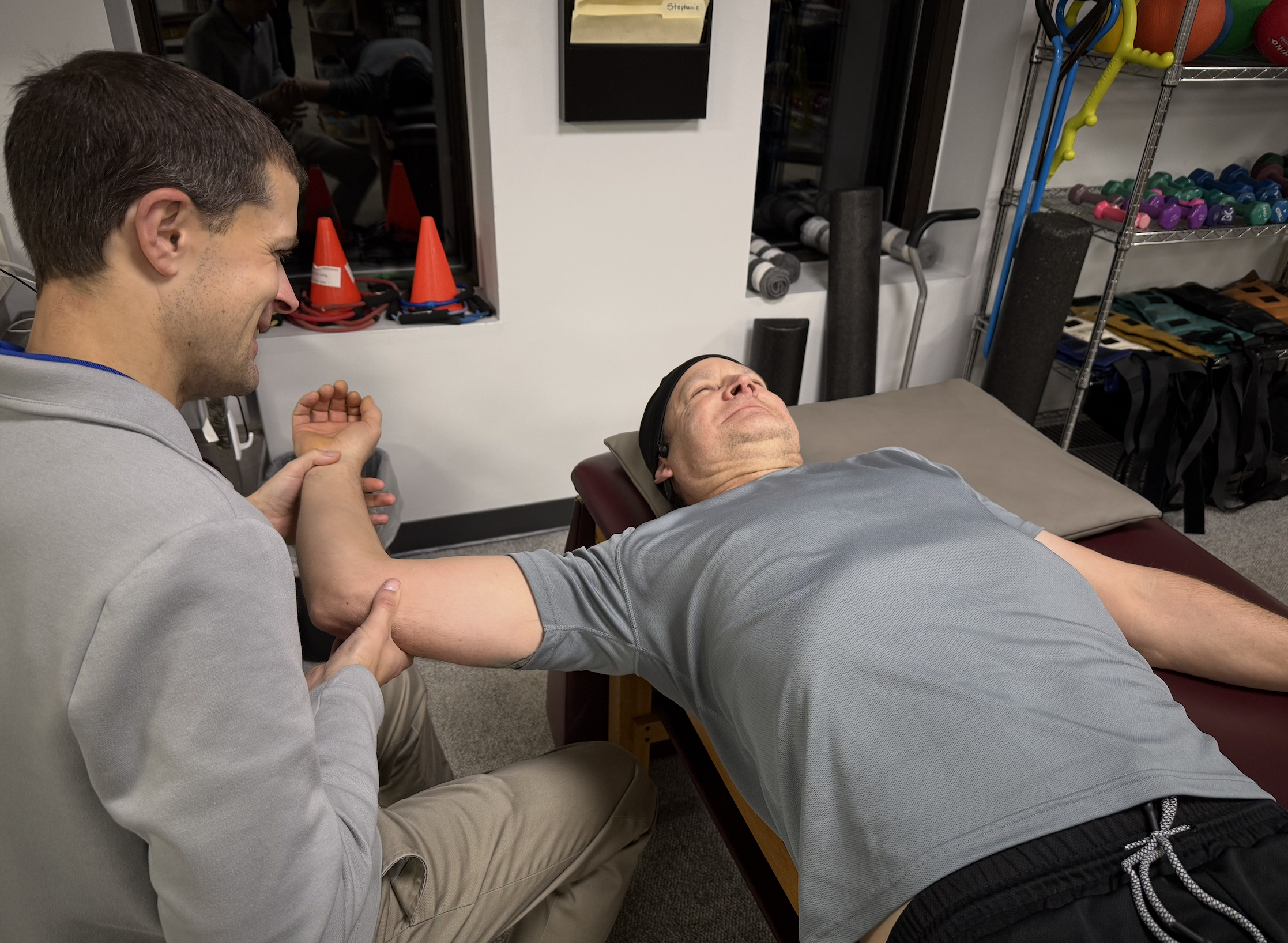
🏃♂️ Equipment of the Month: AlterG Anti-Gravity Treadmill



The AlterG is one of the most advanced pieces of rehabilitation equipment we offer at Repsher Physical Therapy — and it often becomes a patient favorite once they try it. Using NASA-developed technology, the AlterG allows you to walk or run with a fraction of your body weight. This makes movement easier, safer, and significantly less painful while still allowing you to maintain proper biomechanics.
Here’s how it works: The machine gently lifts a percentage of your weight using air pressure, reducing the impact on your joints, muscles, and healing tissues. Patients can unload anywhere from 20% to 80% of their body weight, depending on what their condition requires. This gives you the ability to move in ways that would normally feel too uncomfortable, too heavy, or unsafe during early recovery.
The AlterG is especially helpful for:
Post-surgical rehab (knee, hip, ankle, Achilles)
Returning to walking after injury
Early-stage running and gait retraining
Chronic knee, hip, or back pain
Balance, coordination, and endurance training
Athletes maintaining conditioning while rehabbing
Because it takes pressure off your joints, patients can start weight-bearing sooner, build confidence faster, and progress without aggravating symptoms. For runners, it allows you to maintain fitness and improve mechanics while reducing the pounding associated with traditional training.
The best part? It’s fully adjustable, safe, and surprisingly comfortable — and many patients find it motivating to see how much they can do in a reduced-weight environment.
If you’ve been hesitant to walk, jog, or return to impact activities because of pain or fear of re-injury, the AlterG might be the perfect bridge. Ask your therapist if incorporating it into your rehab plan could help you move forward faster and with more confidence.
🔍 PT Mythbusters: Winter Edition ⛄️
There are plenty of winter-related myths about pain, movement, and recovery — and many of them can slow down progress or cause unnecessary worry. Here are a few of the most common misconceptions we hear in the clinic, along with the truth behind them.
❄️ Myth #1: “Pain in the winter means something is seriously wrong.”
Reality: Cold temperatures can naturally increase stiffness and make joints feel more sensitive, especially in areas affected by arthritis or previous injuries. While winter weather can amplify discomfort, it doesn’t automatically mean new damage has occurred. If the pain improves once you warm up or start moving, it’s likely temperature-related.
❄️ Myth #2: “Rest is the best solution for winter aches.”
Reality: Too much rest can actually increase stiffness and prolong discomfort. Gentle movement, mobility work, and light exercise help improve circulation, reduce tightness, and support better joint mechanics — especially in colder months.
❄️ Myth #3: “Shoveling is good enough exercise for the day.”
Reality: Shoveling is hard work, but it’s also one of the most common causes of winter injuries. It often involves poor mechanics, repetitive twisting, and heavy loads. It’s not a replacement for balanced, safe exercise — and warming up before you shovel can significantly reduce strain.
❄️ Myth #4: “If it hurts, I shouldn’t move it.”
Reality: There’s a big difference between “hurt” and “harm.” Many types of winter stiffness or mild discomfort actually improve with controlled, guided movement. Immobilizing a joint for too long can make pain worse and slow healing.
❄️ Myth #5: “I’ll just wait until spring to fix this.”
Reality: Delaying treatment often means symptoms become harder to manage later. Winter is actually one of the most important times to stay consistent with movement and rehabilitation, especially with slip-and-fall risks and colder muscle tissue.
⛷️ Bottom line:
The truth is, most winter aches respond best to the right combination of movement, mobility, strength, and education. If something doesn’t feel quite right — or if you’re unsure what your pain means — our clinicians are here to help you stay safe, active, and confident all season long.
Thank you for being part of the Repsher PT community. We appreciate your trust and look forward to helping you stay active and moving all winter long.