
Why Rest Isn’t Always the Answer: When Movement Heals Better Than Immobilization
When pain shows up, most people receive the same advice: “Rest it.”
And in the very short term, that advice can make sense. Acute injuries, sudden flare-ups, or severe pain often need a brief reduction in activity to allow things to calm down.
But when rest turns into weeks or months of avoidance, recovery often stalls — or even regresses.
The truth is that while rest can be helpful early on, prolonged rest is rarely the solution. In many cases, the body heals better with the right kind of movement than with complete immobilization.
Why Rest Feels Like the Safe Choice
Pain is alarming. It naturally makes us cautious. When something hurts, the instinct to stop moving is a protective response — and sometimes a necessary one.
Rest can help by:
Reducing acute inflammation
Allowing irritated tissues to settle
Preventing further injury in the short term
The problem isn’t rest itself — it’s staying there too long.
What Happens When We Rest Too Much
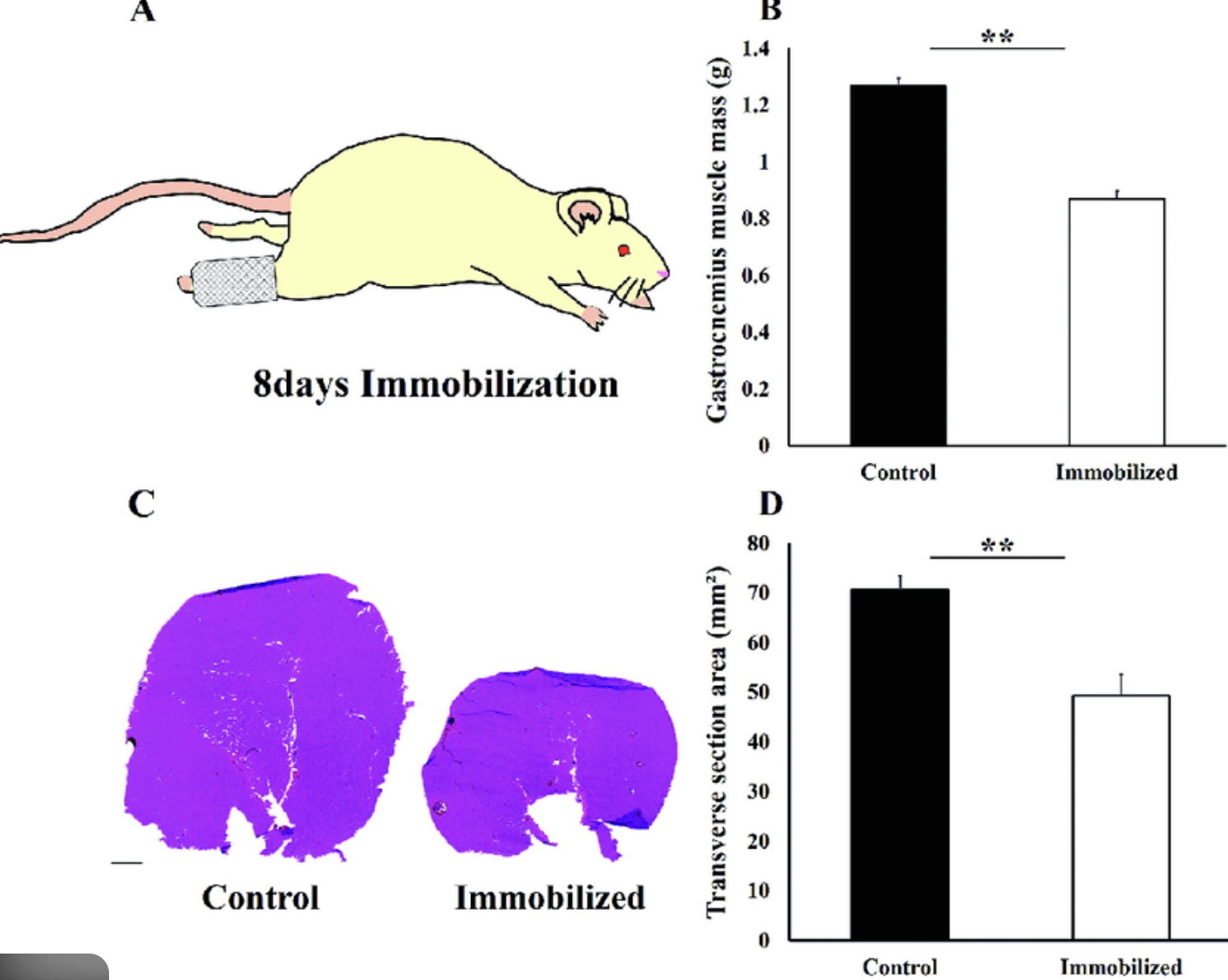
The human body is designed to adapt to what we ask of it. When movement is removed for extended periods, the body adapts — just not in the way we want.
Prolonged rest can lead to:
Muscle weakness and atrophy
Loss of joint mobility
Decreased tendon and bone tolerance
Reduced circulation
Increased stiffness and soreness
Lower confidence in movement
Ironically, this can make everyday activities feel harder and more painful when you finally try to return to them.
Instead of healing, the body becomes less prepared.
Movement Is How the Body Stays Healthy
Appropriate movement:
Improves blood flow and nutrient delivery
Maintains joint lubrication
Preserves muscle strength and coordination
Helps tissues adapt to load
Supports nervous system regulation
Tendons, muscles, cartilage, and even nerves rely on graded stress to stay healthy. When that stress is removed entirely, tissues lose tolerance — not because they’re damaged, but because they’re underprepared.
Why “Just Push Through It” Isn’t the Answer Either
On the opposite end of the spectrum is the advice to ignore pain and push through it. This approach can be just as problematic as too much rest.
Excessive or poorly timed loading can:
Provoke flare-ups
Increase nervous system sensitivity
Reinforce fear around certain movements
Prolong recovery
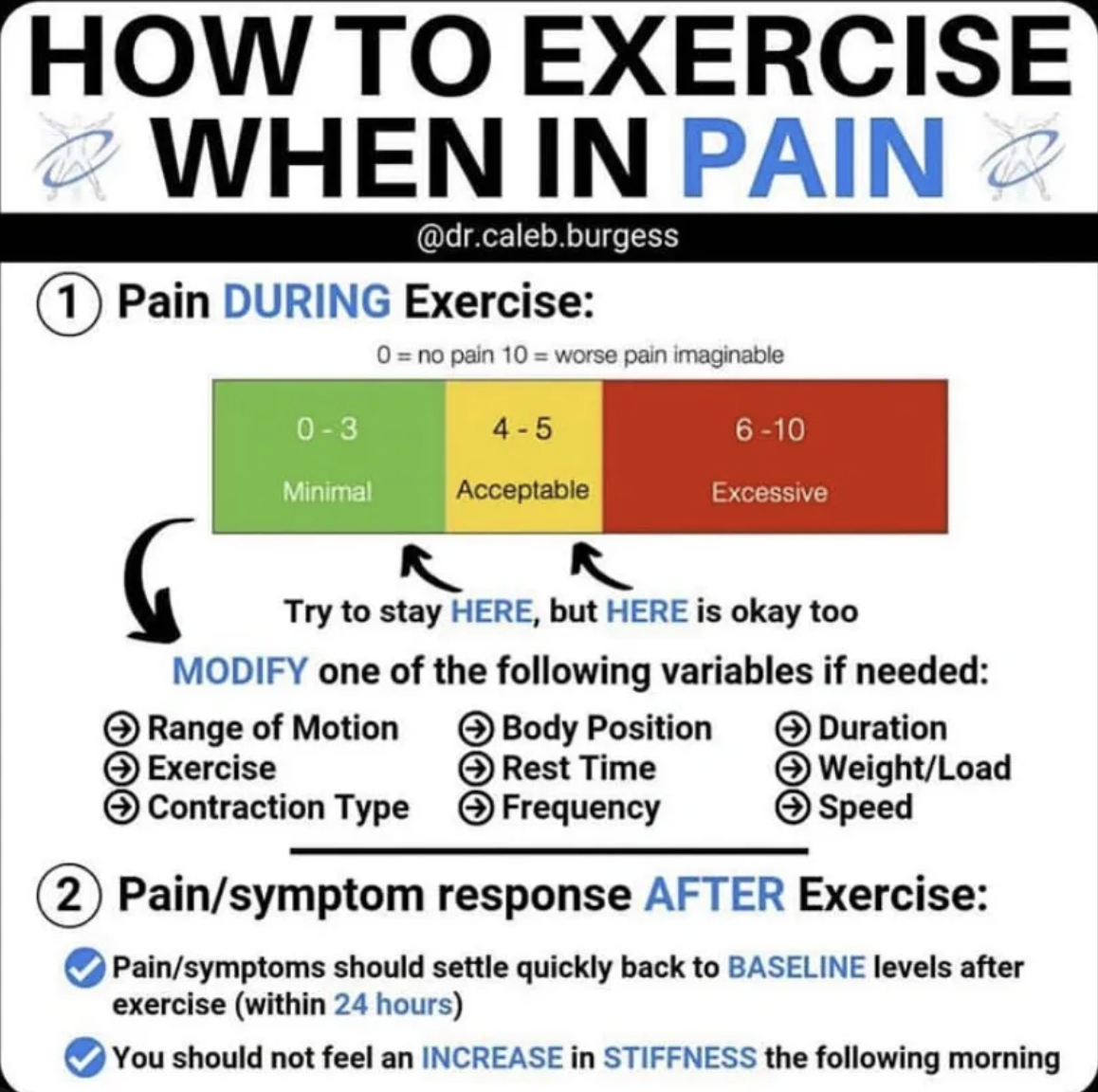
The solution lives in the middle ground:
👉 Intentional, guided, progressive movement
The Difference Between Harmful Movement and Helpful Movement
Not all movement is equal.
Helpful movement:
Respects symptoms
Stays within tolerable ranges
Is progressed gradually
Builds confidence over time
Harmful movement:
Repeatedly provokes sharp or lingering pain
Jumps intensity too quickly
Ignores fatigue and recovery
Reinforces fear or guarding
This distinction is where physical therapy plays a critical role.
Why Movement Reduces Pain (Even When It Seems Counterintuitive)
Pain doesn’t only come from tissue damage — it’s also influenced by the nervous system.
When movement is avoided for too long, the nervous system can become more sensitive and protective. Normal activities begin to feel threatening, even when tissues are capable of handling them.
Gradual movement helps by:
Teaching the nervous system that activity is safe
Reducing fear and guarding
Improving coordination and efficiency
Increasing load tolerance
Over time, pain often decreases not because something was fixed, but because the system became more confident again.
Why Physical Therapy Focuses on Movement Early
Modern physical therapy is not about waiting for pain to disappear before starting rehab. It’s about finding what you can do safely, then building from there.
A good rehab plan:
Identifies movements that calm symptoms
Avoids unnecessary flare-ups
Restores strength and mobility progressively
Builds tolerance for real-life demands
Adapts as your body responds
This approach keeps tissues engaged in the healing process instead of sidelined.
Common Situations Where Too Much Rest Slows Recovery
We frequently see delayed recovery in cases involving:
Back pain
Neck pain
Shoulder pain
Tendon irritation
Post-surgical rehab
Recurrent flare-ups with no clear injury
In many of these situations, the issue isn’t that movement is dangerous — it’s that the right movement hasn’t been introduced yet.
What This Means for You
If you’ve been resting but not improving:
It doesn’t mean you’re doing something wrong
It doesn’t mean your body can’t heal
It may simply mean your system needs guided reintroduction to movement
The goal isn’t to rush — it’s to progress intelligently.
The Bottom Line
Rest has a role in recovery — but it’s only one part of the equation.
Movement is how the body rebuilds strength, tolerance, and confidence. When done thoughtfully, it doesn’t delay healing — it supports it.
If pain has kept you stuck between resting too much and fearing movement, the right guidance can help bridge that gap.
Healing doesn’t come from doing nothing forever.
It comes from doing the right amount, at the right time, in the right way.
