
Why Your Shoulder Still Hurts Even After “Normal” Imaging
Few things are more frustrating than being in pain, getting imaging done, and being told “everything looks normal.” If your shoulder hurts when you reach overhead, lift weights, sleep on your side, or play sports, it can feel dismissive — even confusing — to hear that nothing is wrong.
The reality is this tells us something important: pain doesn’t always come from visible damage. And in many cases, persistent shoulder pain has more to do with how the shoulder is functioning than what shows up on an MRI or X-ray.
What Imaging Can — and Can’t — Tell Us
Imaging is very good at showing structure:
Bone alignment
Large tears
Advanced arthritis
Significant inflammation
But imaging is not designed to measure:
How well muscles coordinate
How tissues tolerate load
How joints move together
How sensitive the nervous system is
How your shoulder behaves during real-life activity
In other words, imaging shows anatomy — not performance.
Many people without shoulder pain have:
Rotator cuff “tears”
Tendon fraying
Arthritis
Labral changes
And many people with pain show little or nothing abnormal on scans.
The Shoulder Is a System — Not Just a Joint
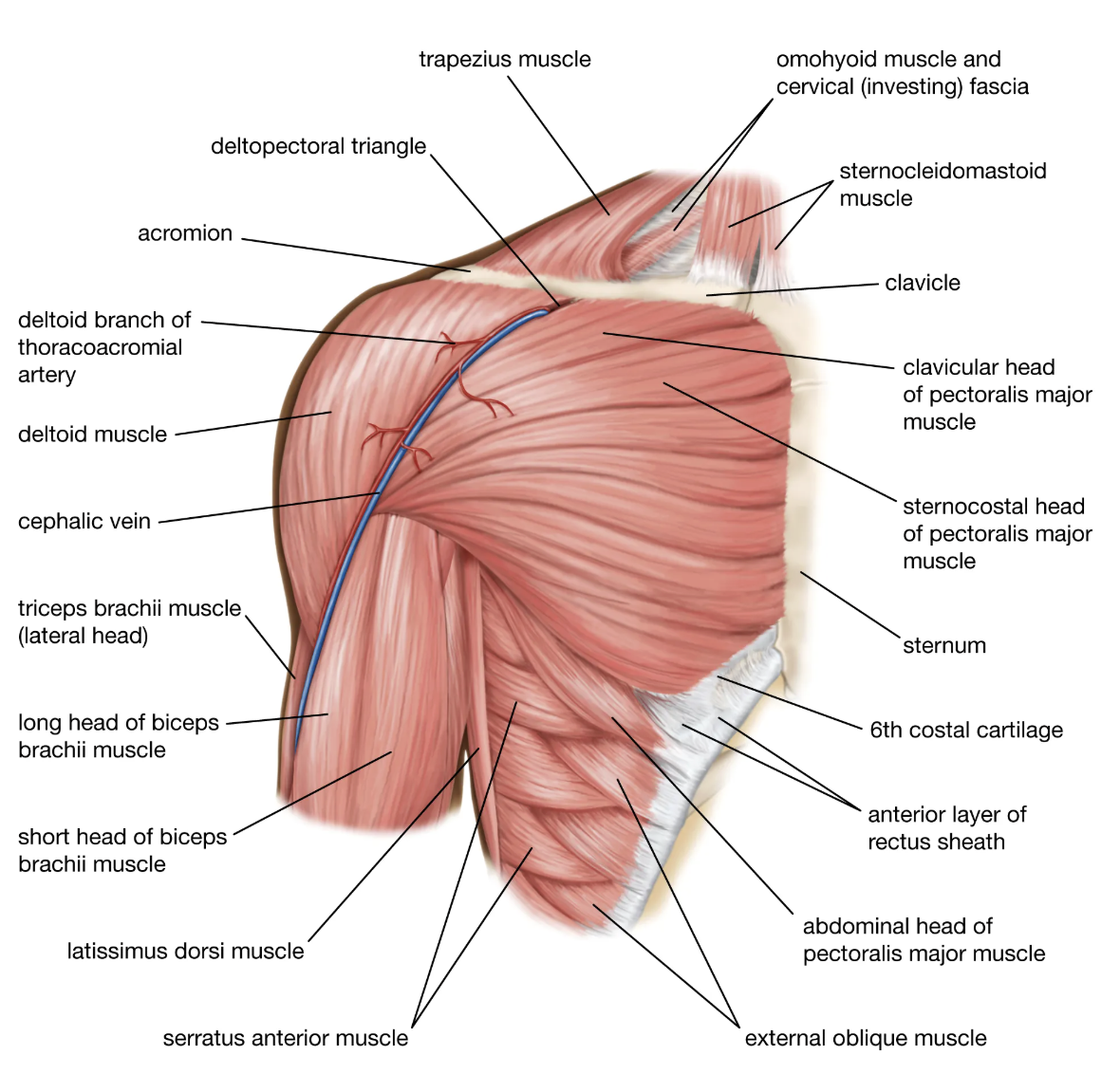
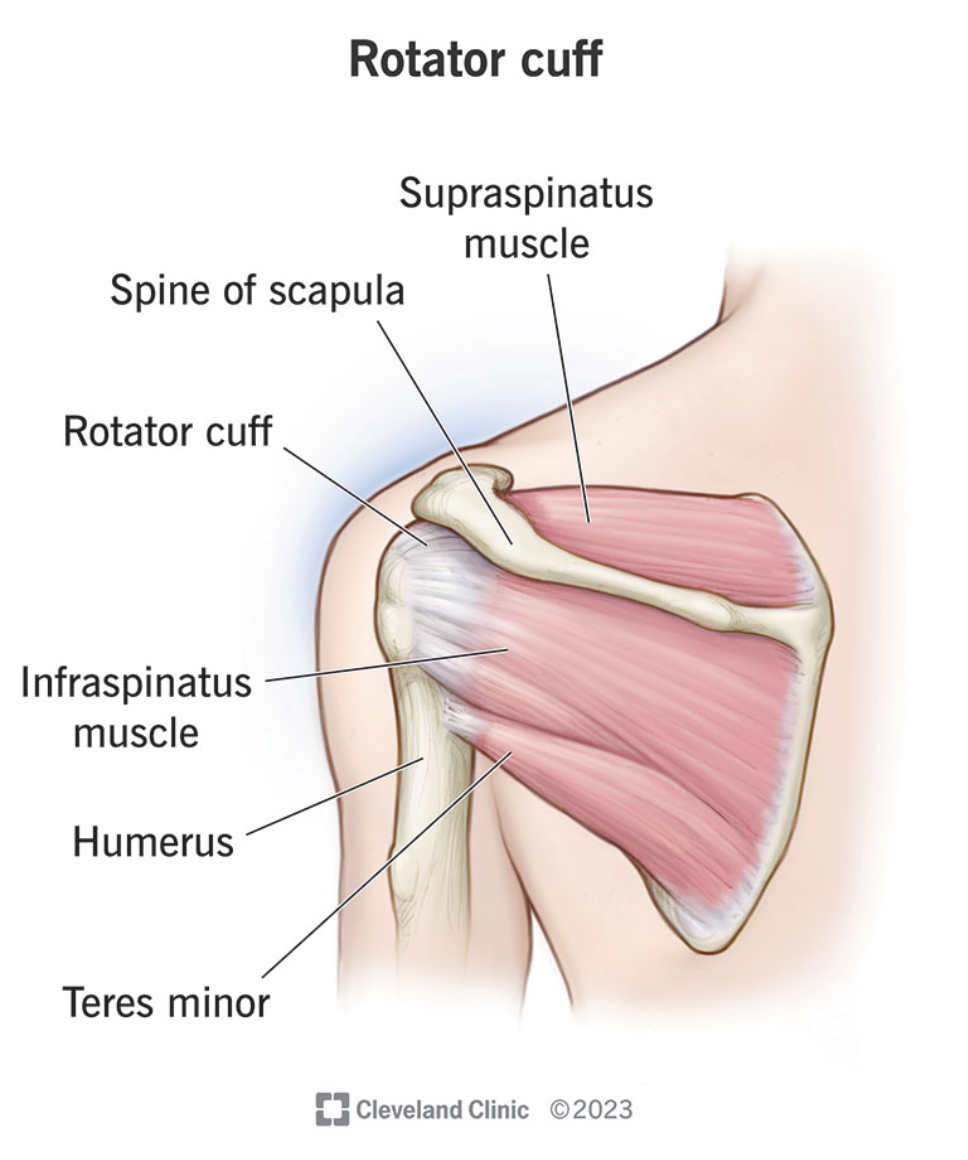
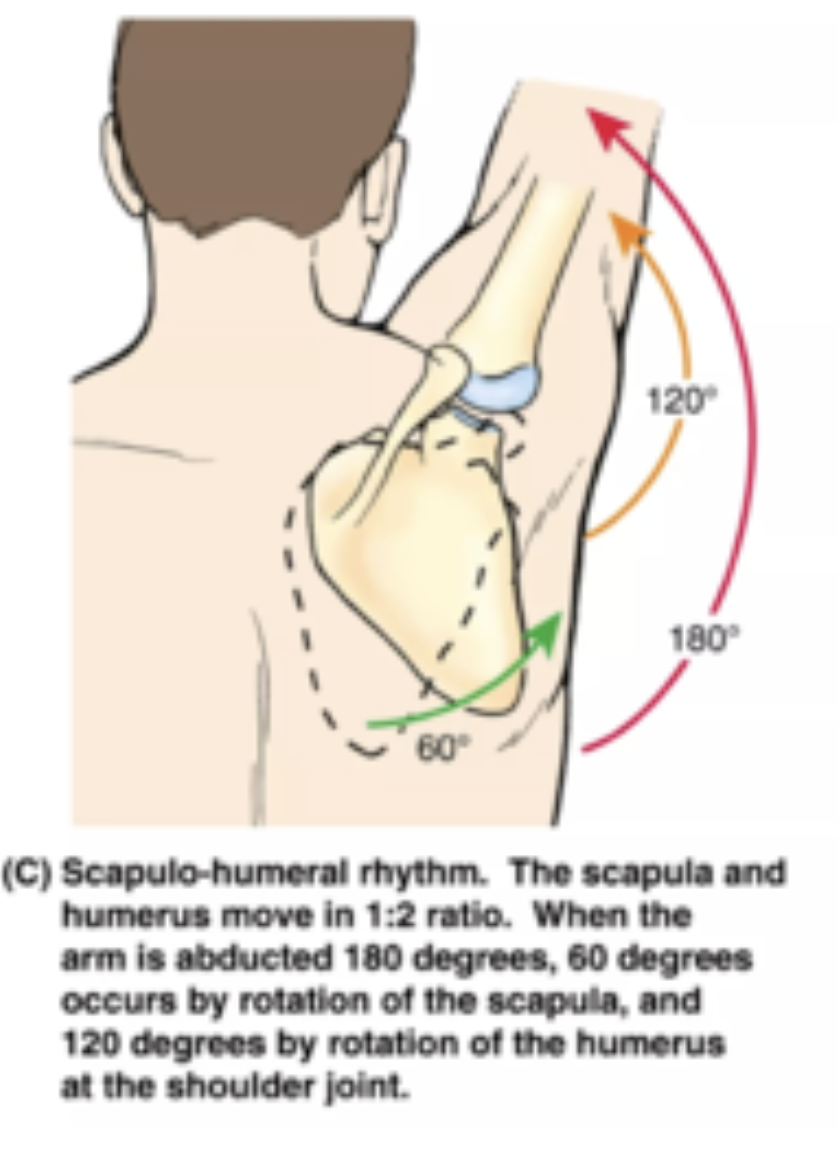
The shoulder is one of the most complex regions in the body. It relies on a precise balance between mobility, stability, strength, and coordination.
For the shoulder to move well, it depends on:
The rotator cuff
The shoulder blade (scapula)
The rib cage and thoracic spine
The neck
The nervous system
When one part isn’t doing its job well, another part often takes the load — and that’s where irritation begins.
Load Tolerance: A Common Missing Piece
One of the most common reasons shoulder pain persists despite normal imaging is reduced load tolerance.
Tendons and muscles need appropriate loading to stay healthy. Problems arise when:
Activity increases too quickly
Strength hasn’t kept up with demands
The shoulder is underloaded for a long time
Technique or mechanics are inefficient
This can lead to pain without tearing, damage, or inflammation severe enough to appear on imaging.
The tissue isn’t broken — it’s just not prepared for the job it’s being asked to do.
Why Pain Can Linger Even After “Healing”
Pain doesn’t turn off automatically when tissues heal.
After an injury, flare-up, or period of irritation, the nervous system can remain cautious. Movements that were once automatic may now trigger protective responses — tension, guarding, or pain — even if the tissue itself is no longer injured.
This is especially common with shoulders because they’re involved in:
Reaching
Lifting
Sleeping positions
Sports
Repetitive daily tasks
Over time, the system learns to associate certain movements with threat — and pain becomes the signal.
Why Rest Alone Usually Doesn’t Fix It
Many people try rest first. And while short-term rest can help calm symptoms, prolonged rest often backfires.
Without movement:
Muscles weaken
Tendons lose tolerance
Stiffness increases
Confidence in movement declines
Then, when activity resumes, the shoulder is less prepared — and pain returns quickly.
This creates the cycle of:
Rest → feel a bit better → return to activity → pain comes back
Why Physical Therapy Helps When Imaging Doesn’t
When scans don’t explain pain, physical therapy focuses on what imaging can’t measure:
Movement quality
Strength balance
Endurance
Coordination
Confidence with load
Rehab aims to:
Restore rotator cuff strength
Improve shoulder blade control
Address posture and thoracic mobility
Gradually reintroduce overhead and resisted movements
Build tolerance rather than avoid activity
This approach doesn’t ignore pain — it respects it, while still moving forward.
“But Won’t I Make It Worse?”
This is one of the most common fears — and it’s understandable.
The key is graded exposure:
Starting below the pain threshold
Progressing gradually
Using symptoms as information, not danger
Avoiding flare-ups that set things back
When rehab is dosed correctly, movement becomes safer — not riskier.
What This Means for You
If your shoulder still hurts despite “normal” imaging:
You are not broken
You are not imagining it
You are not out of options
Your pain likely reflects how your shoulder is functioning — not structural damage that needs to be fixed or removed.
With the right guidance, shoulders are remarkably adaptable.
The Bottom Line
Imaging is a tool — not a verdict.
A normal scan doesn’t mean your pain isn’t real. It often means your shoulder needs better capacity, coordination, and confidence, not more rest or more tests.
When rehab focuses on restoring how the shoulder works — rather than chasing what might be “wrong” — long-term improvement is not only possible, it’s common.
